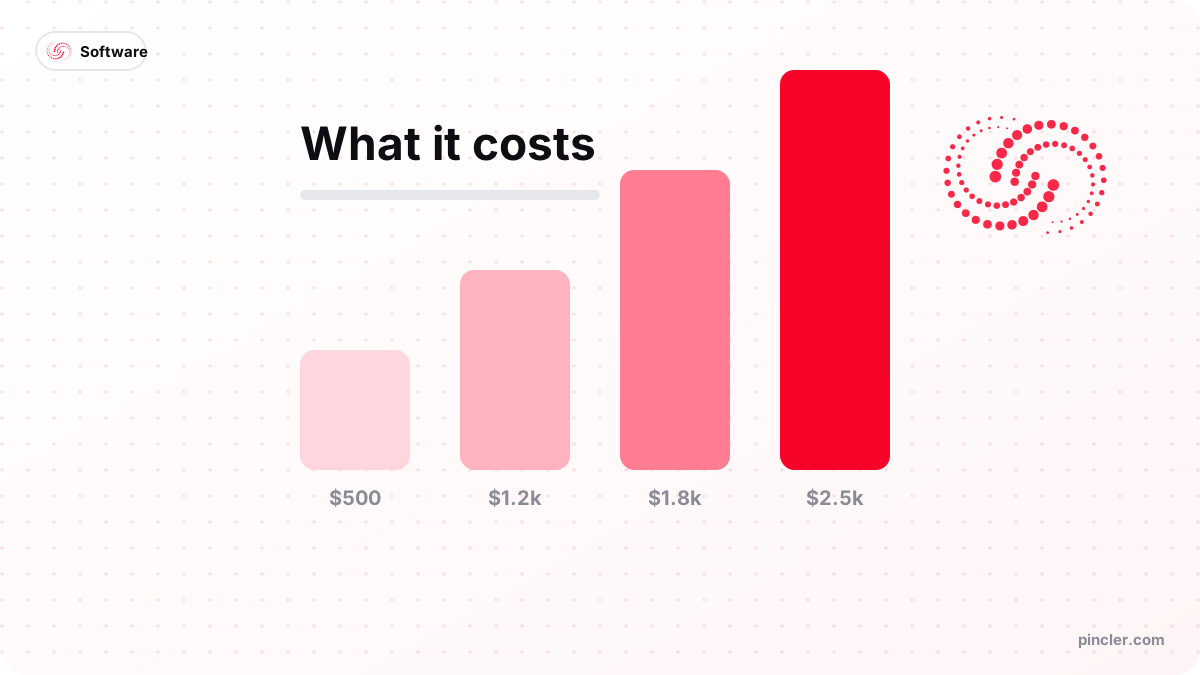
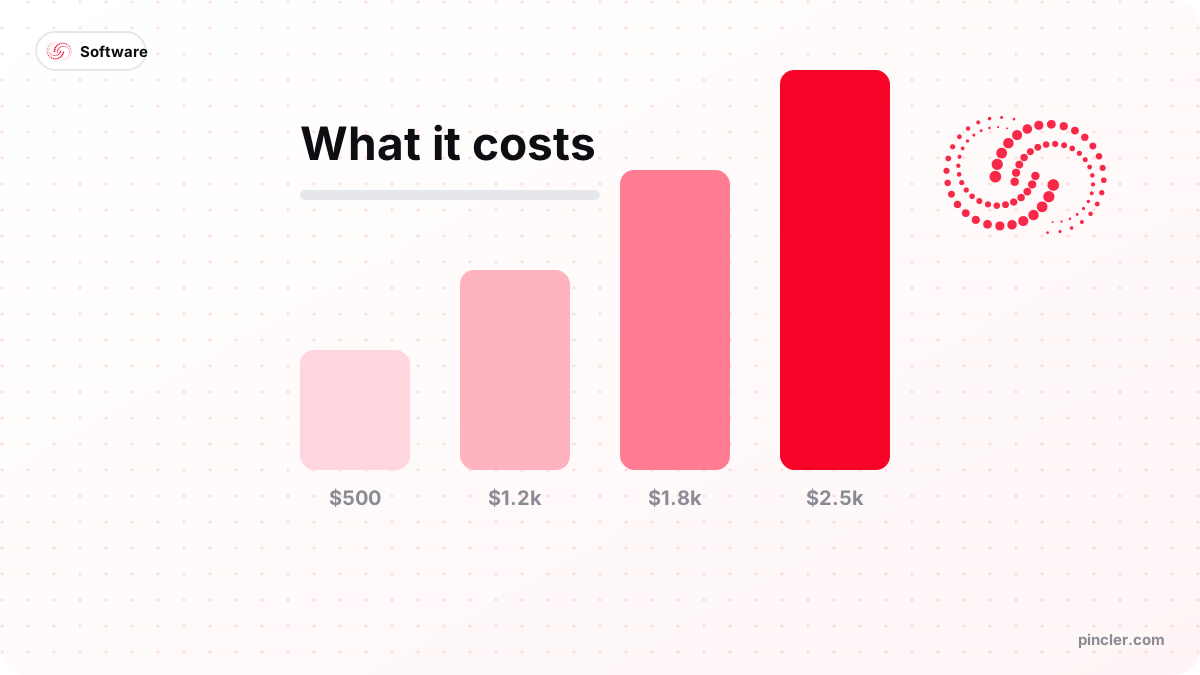
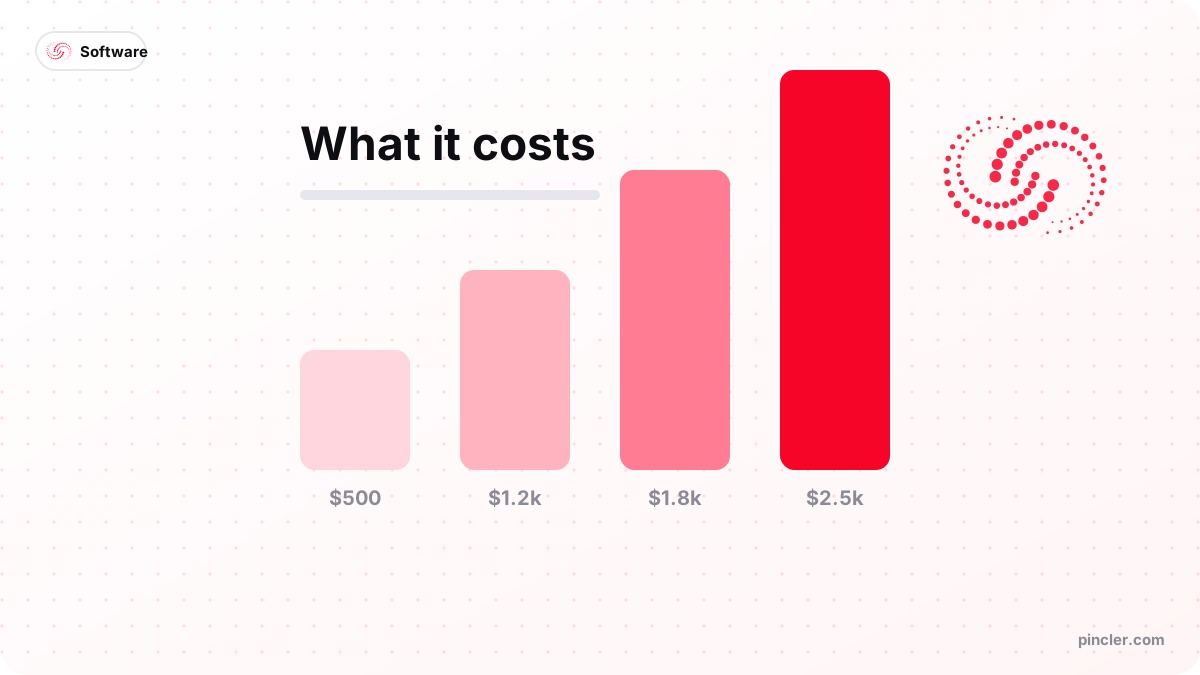
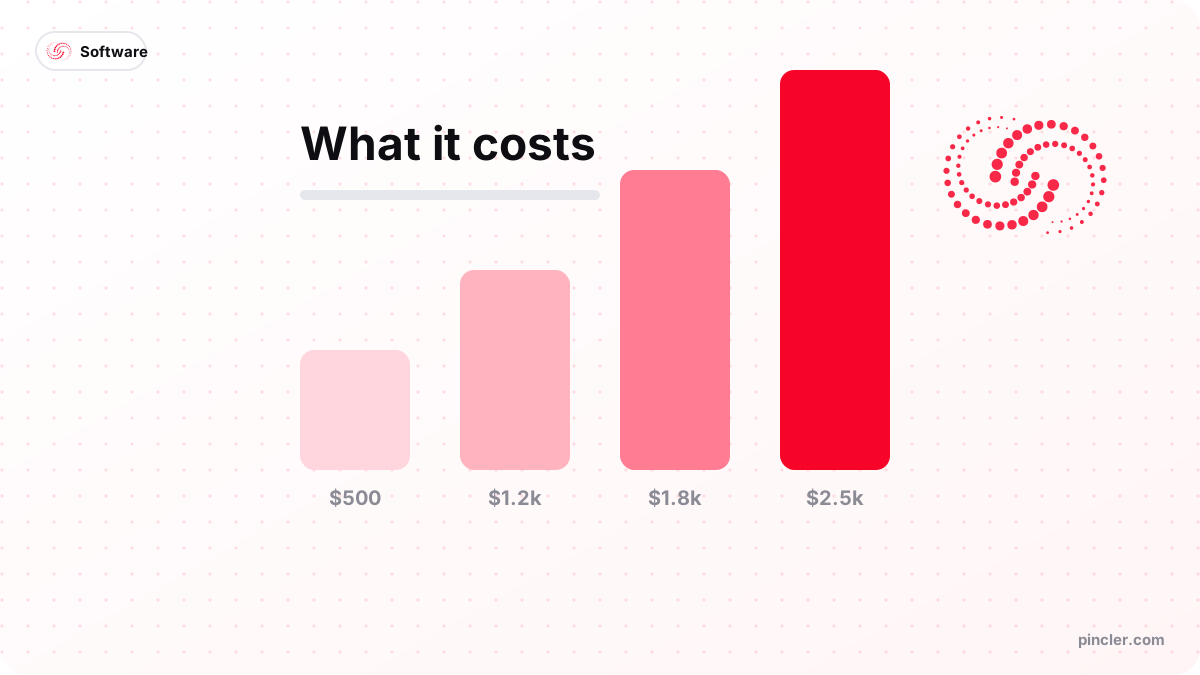
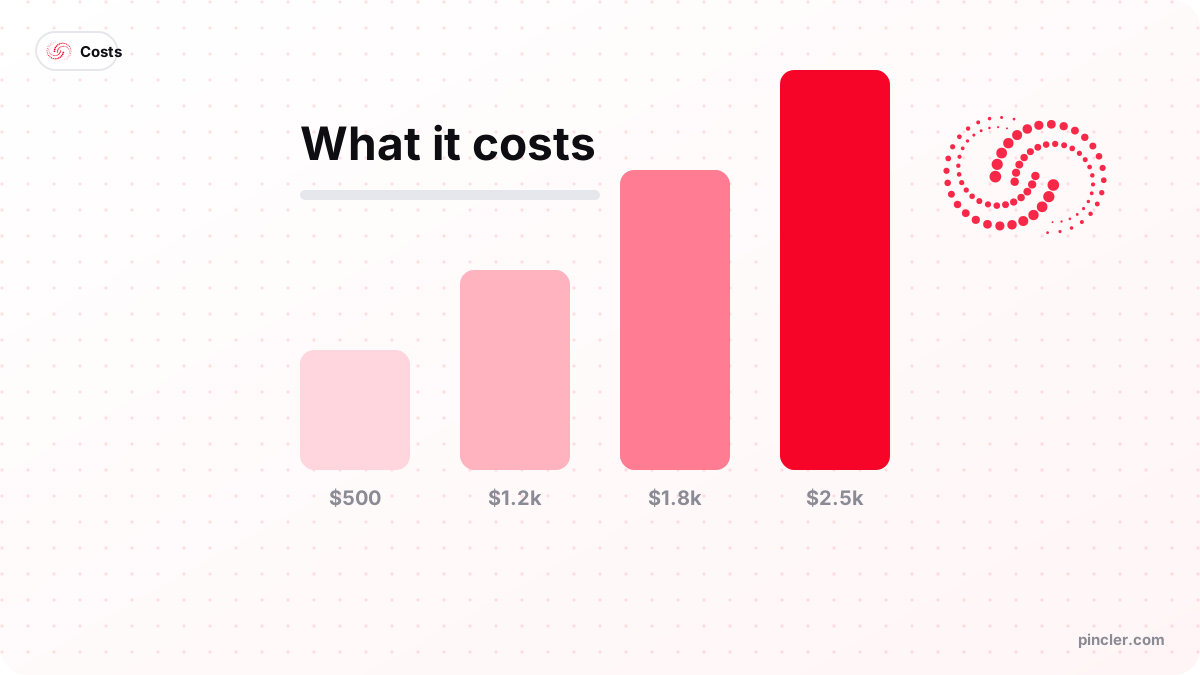
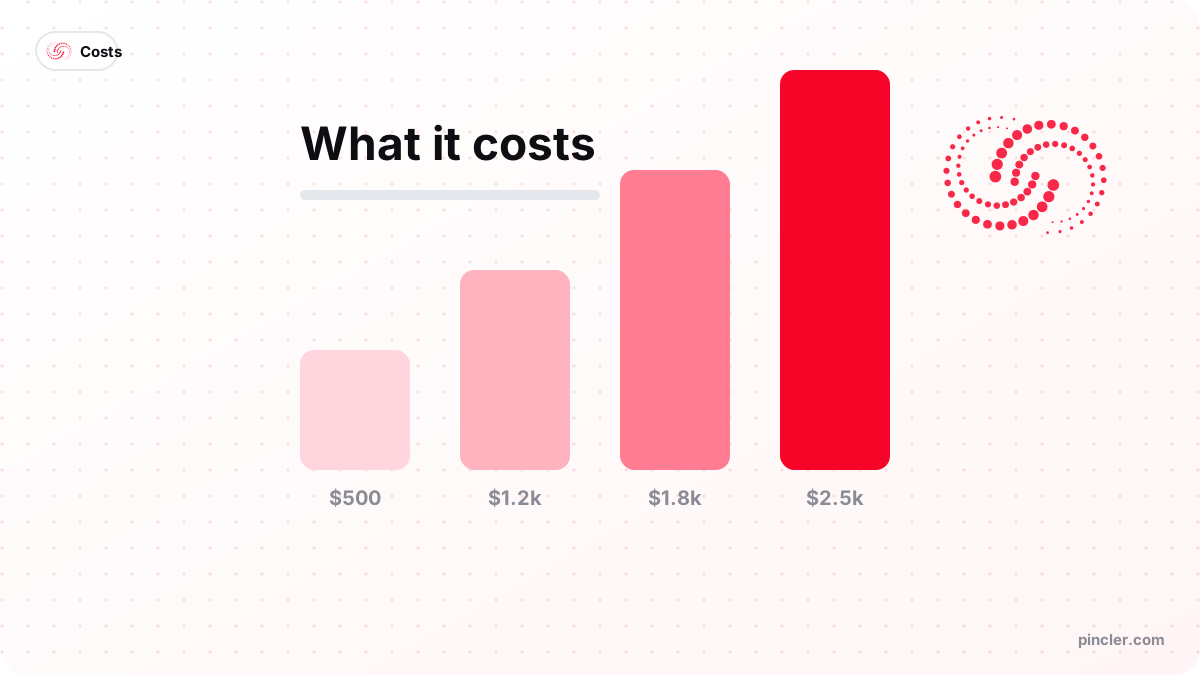
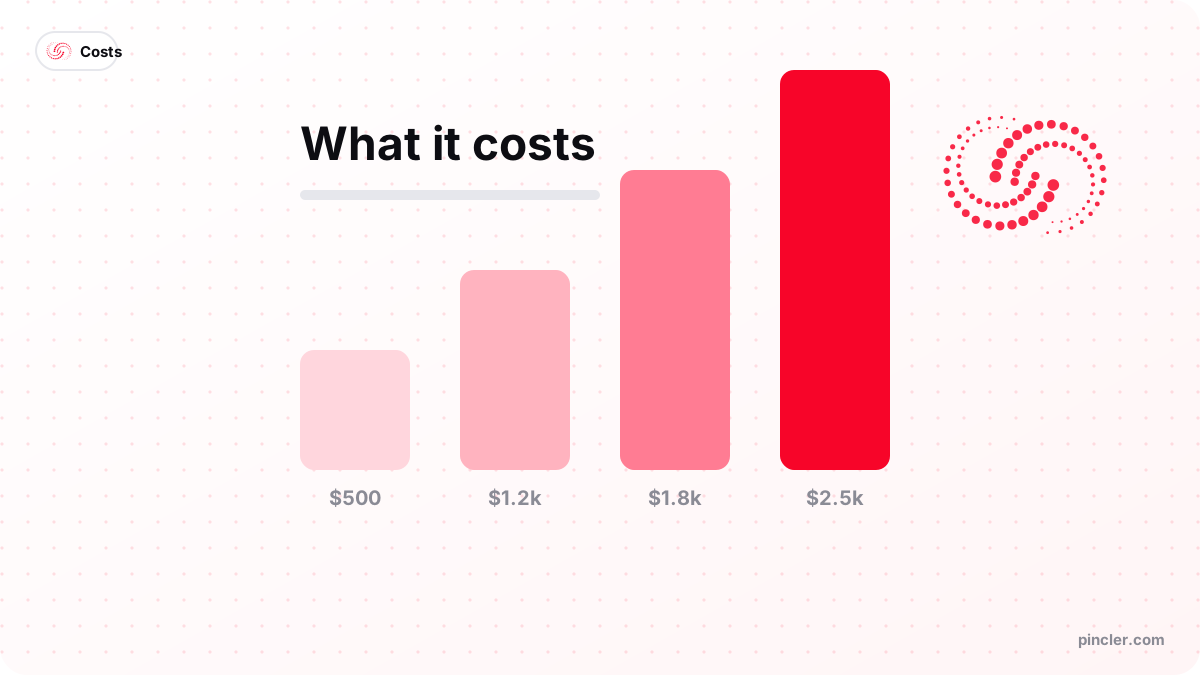
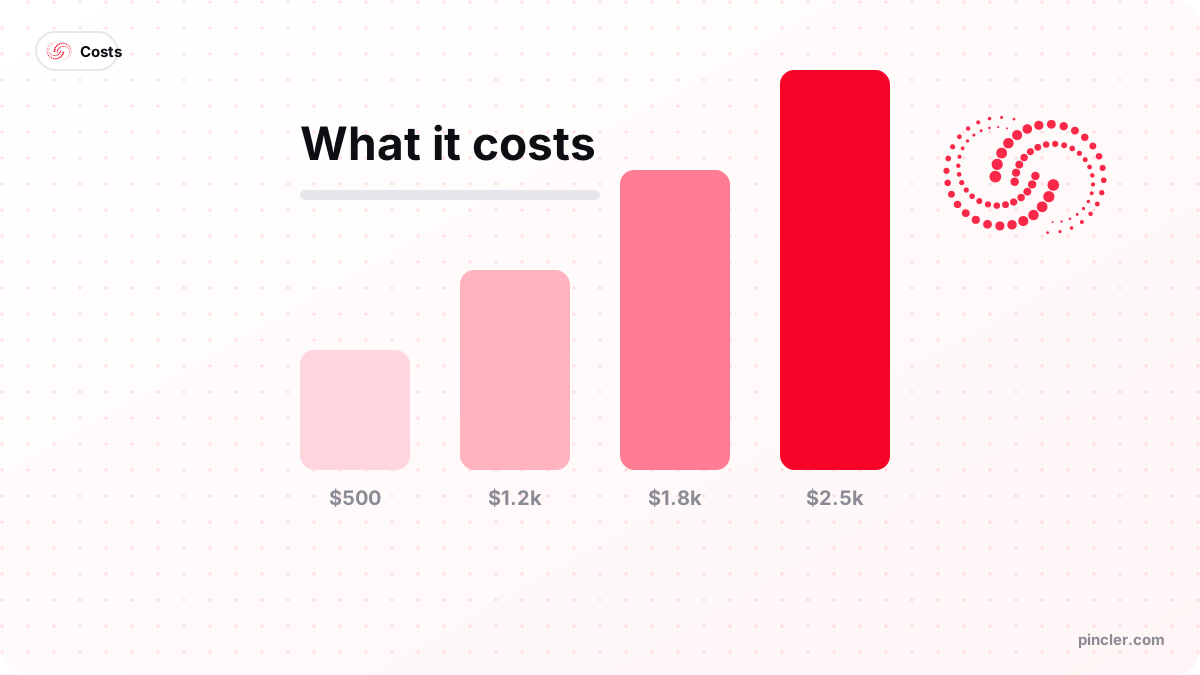
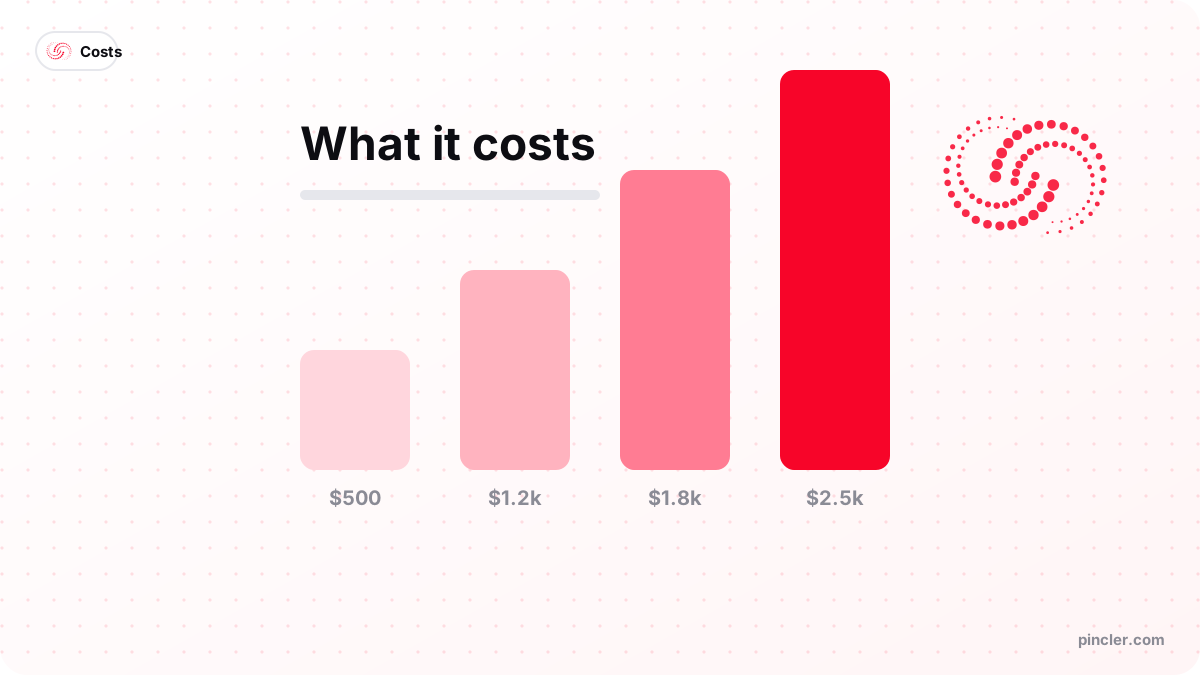
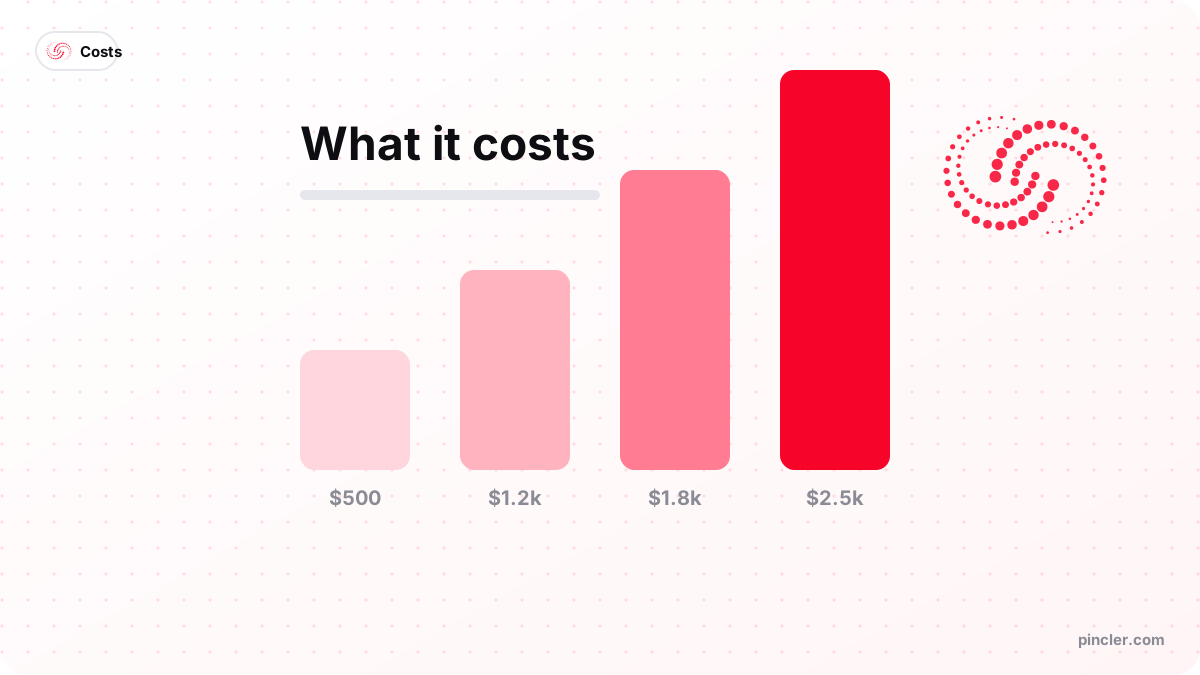
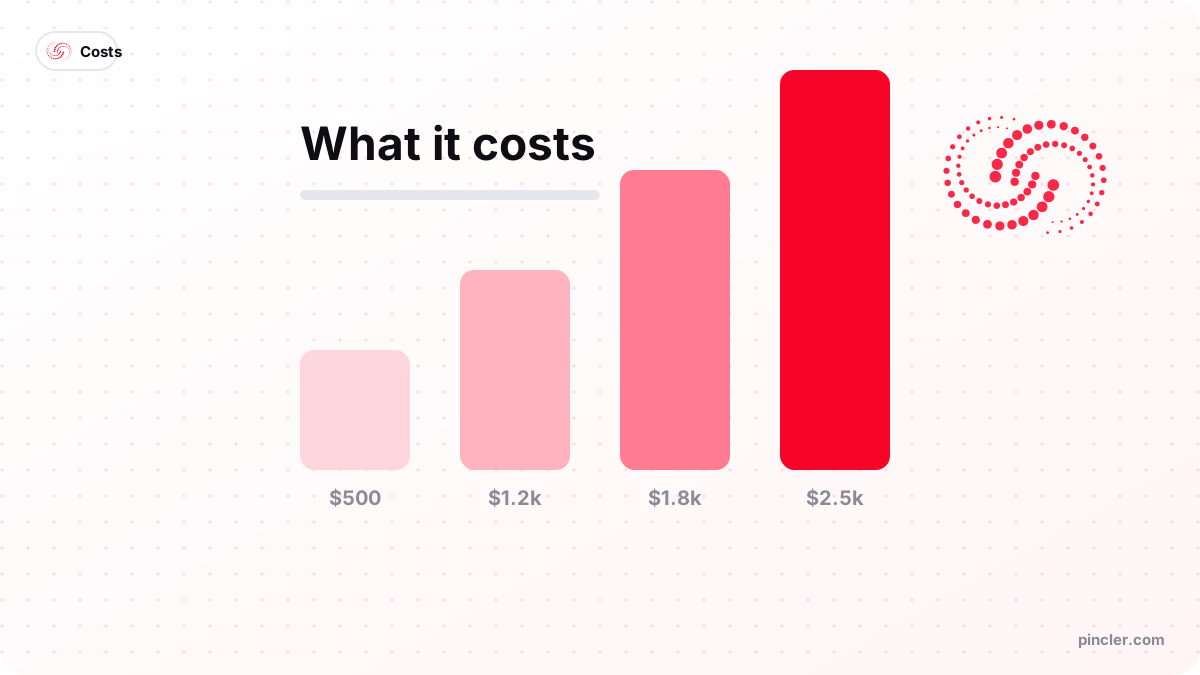
Why Do Agencies Charge $30,000 for What We Build for $2,500?
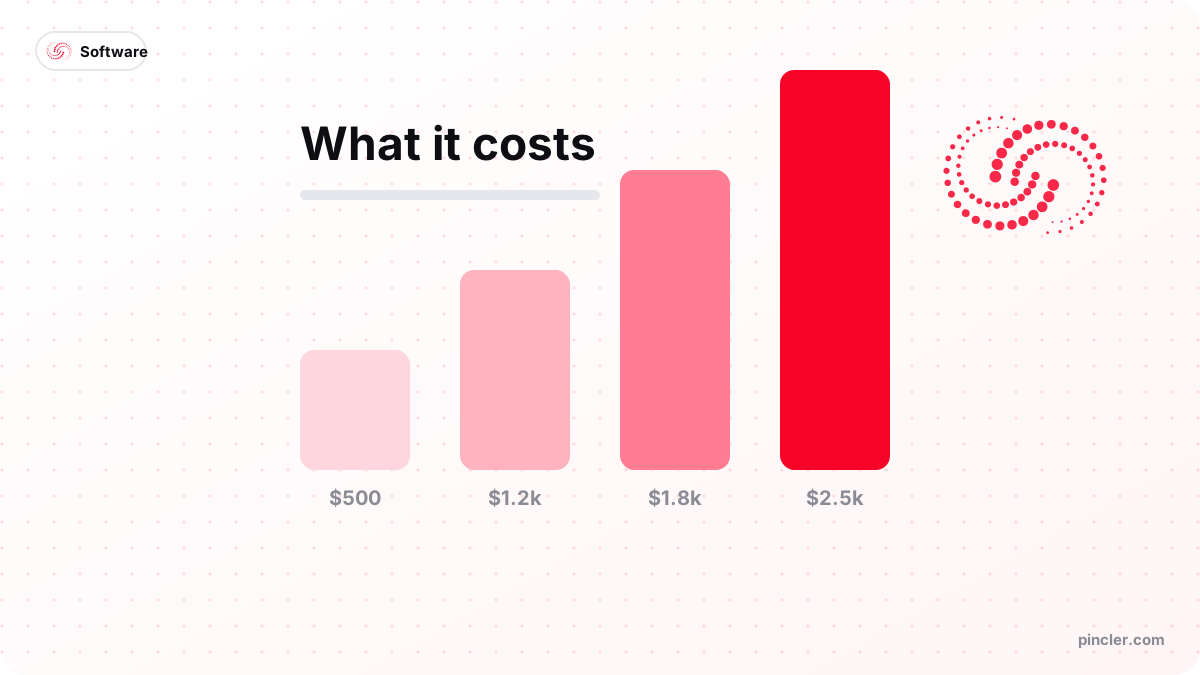
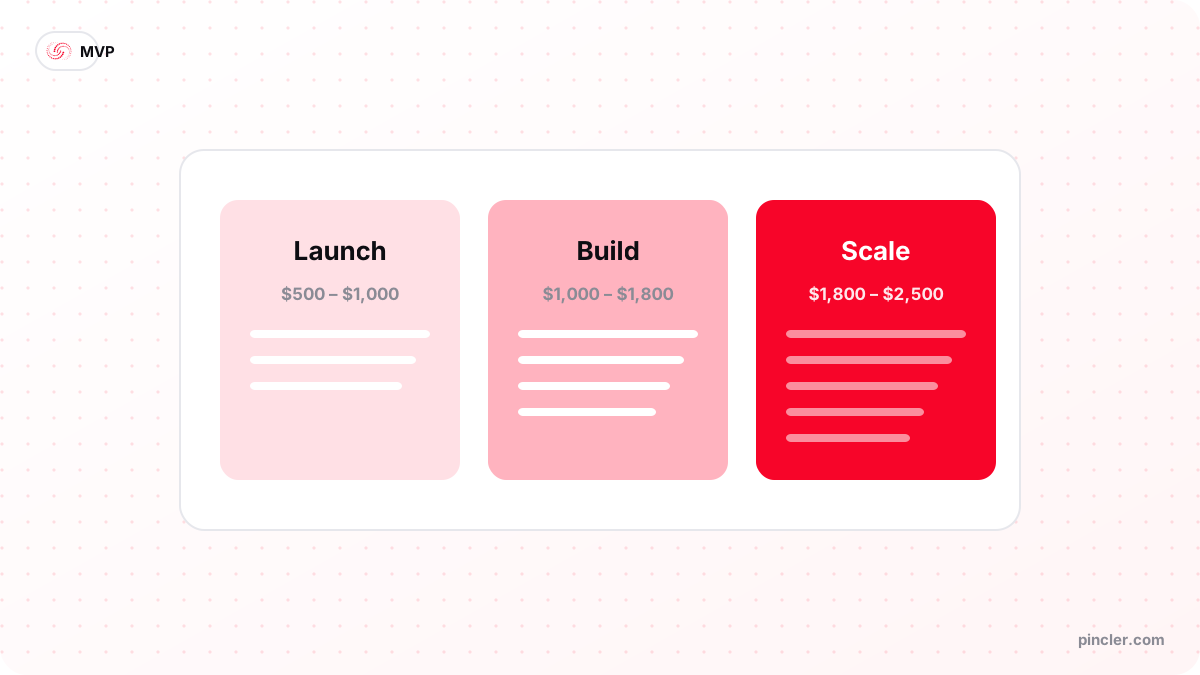
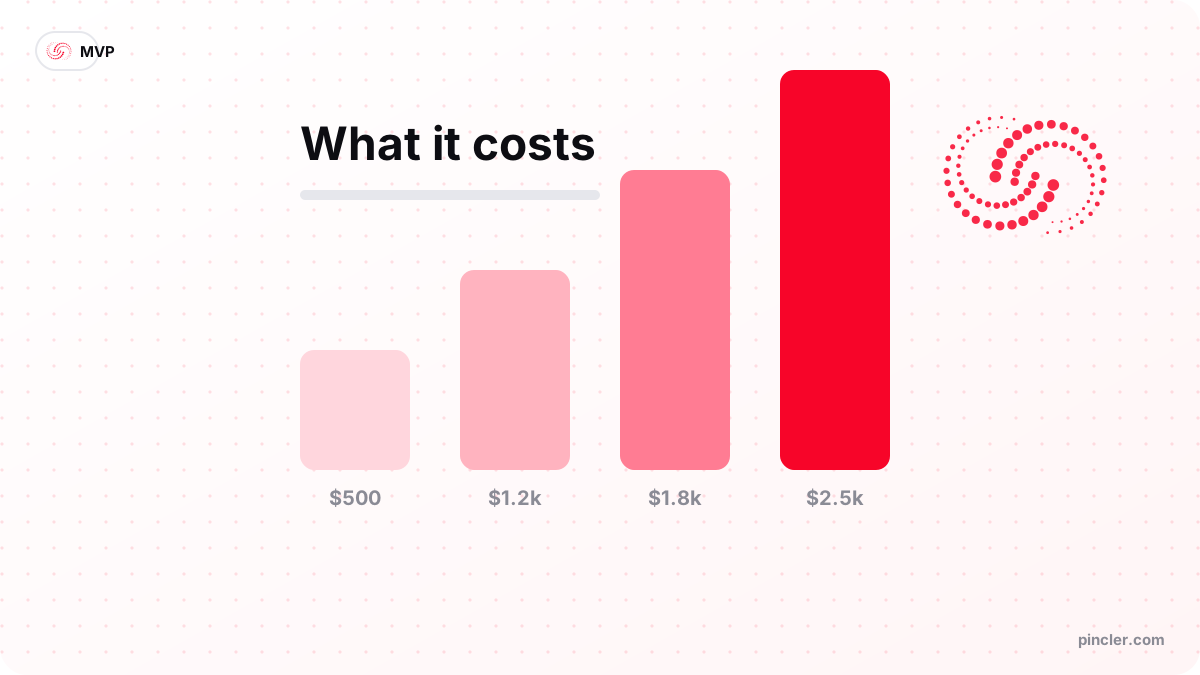
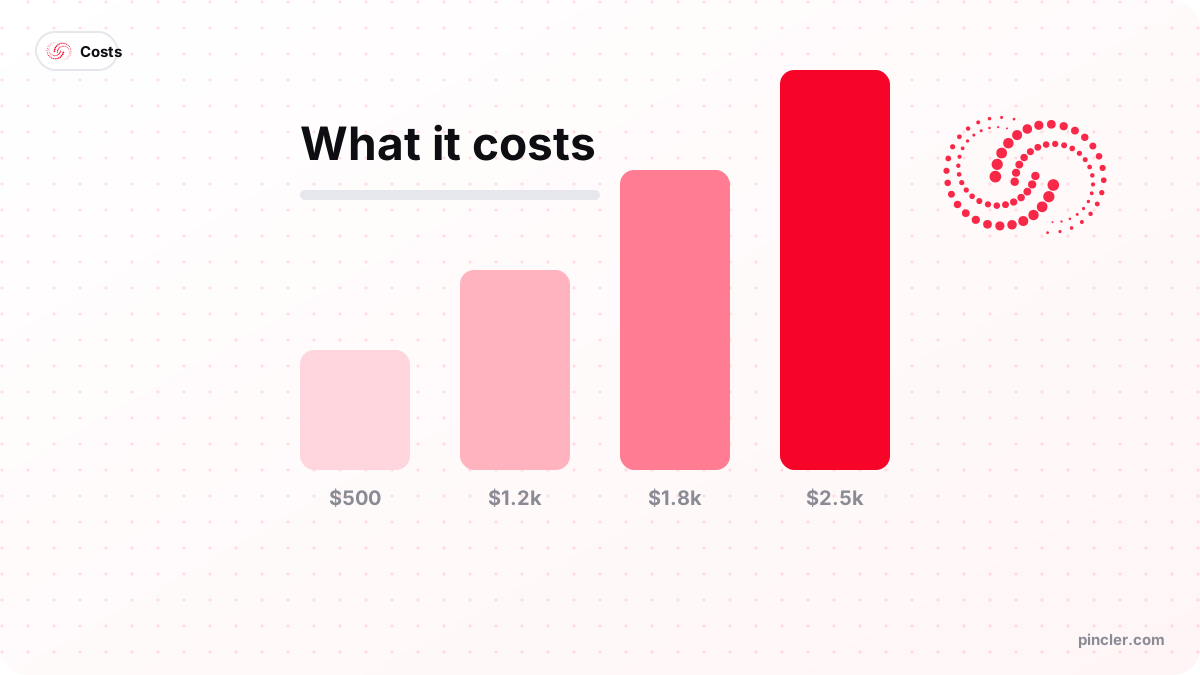
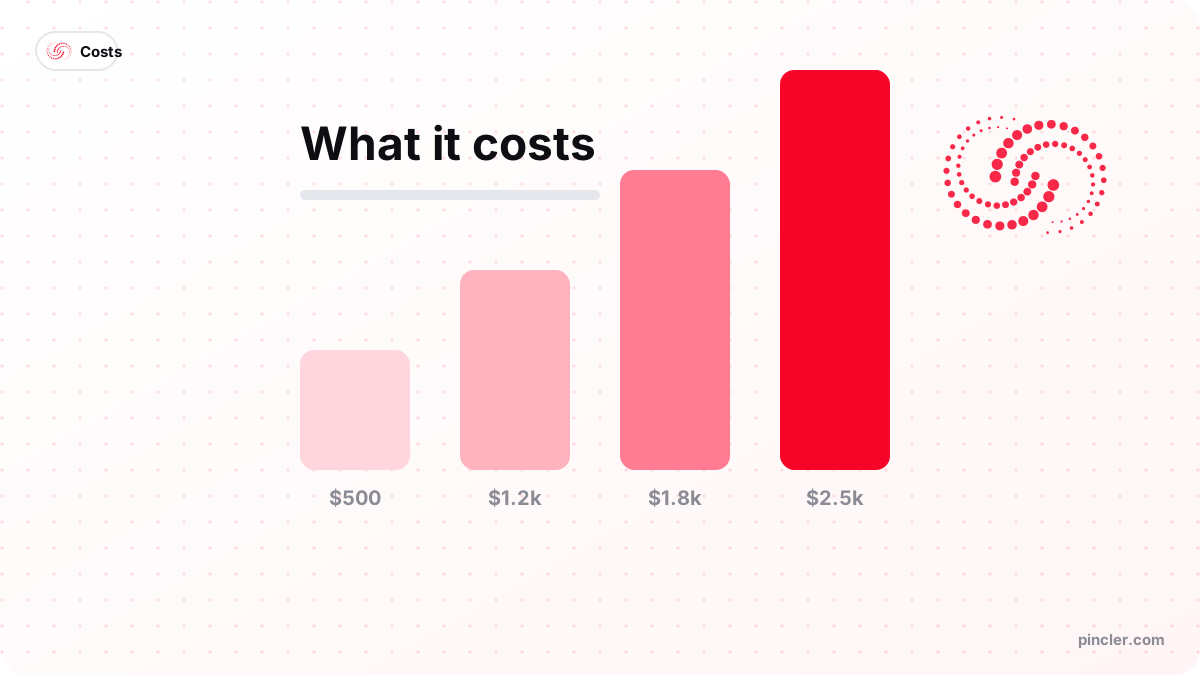
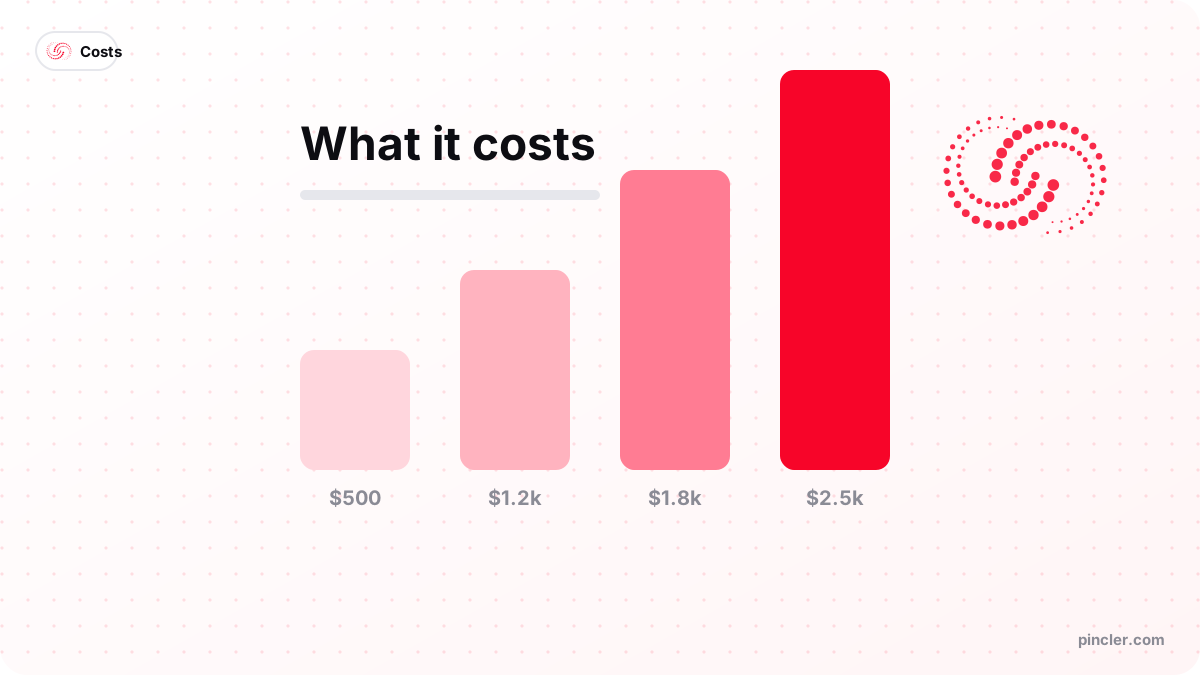
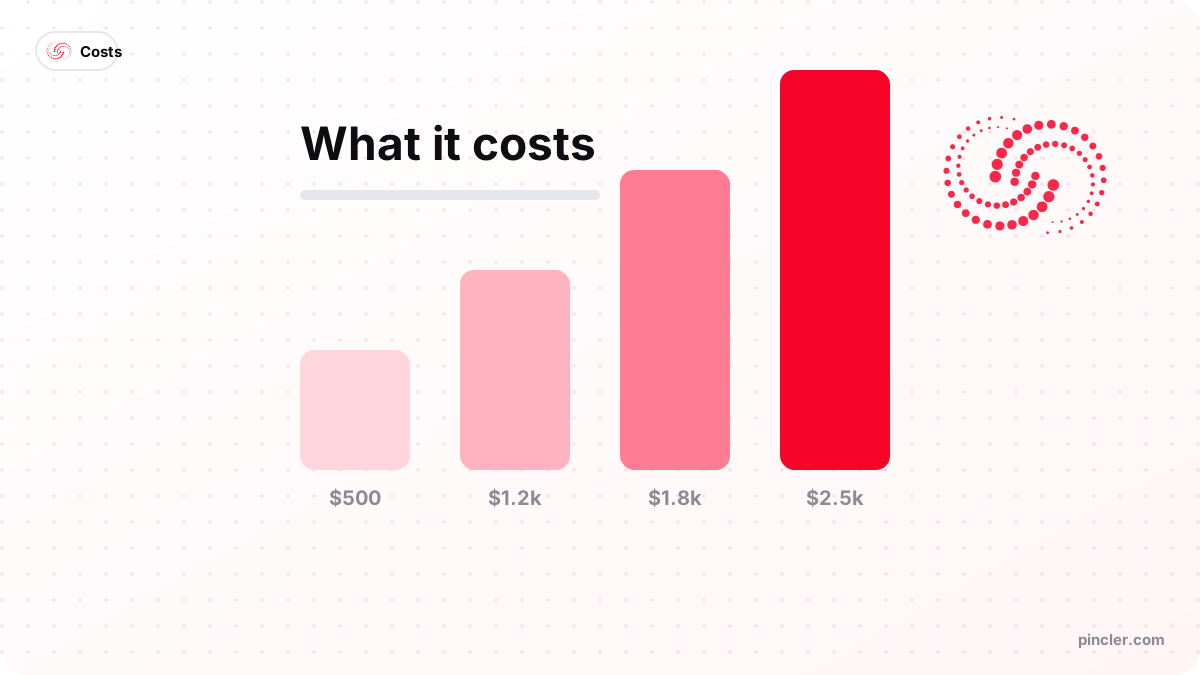
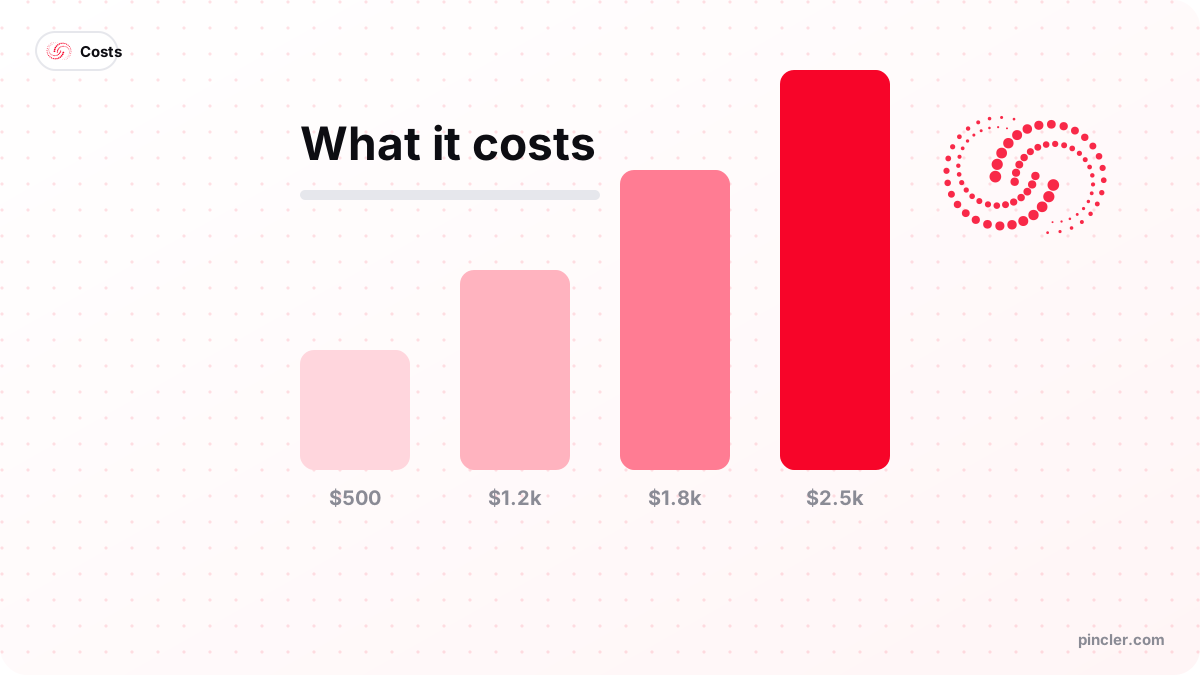
Why is custom software so expensive at one supplier and not another? A transparent breakdown of agency cost structure, hour counts and the arithmetic behind a $2,500 build.
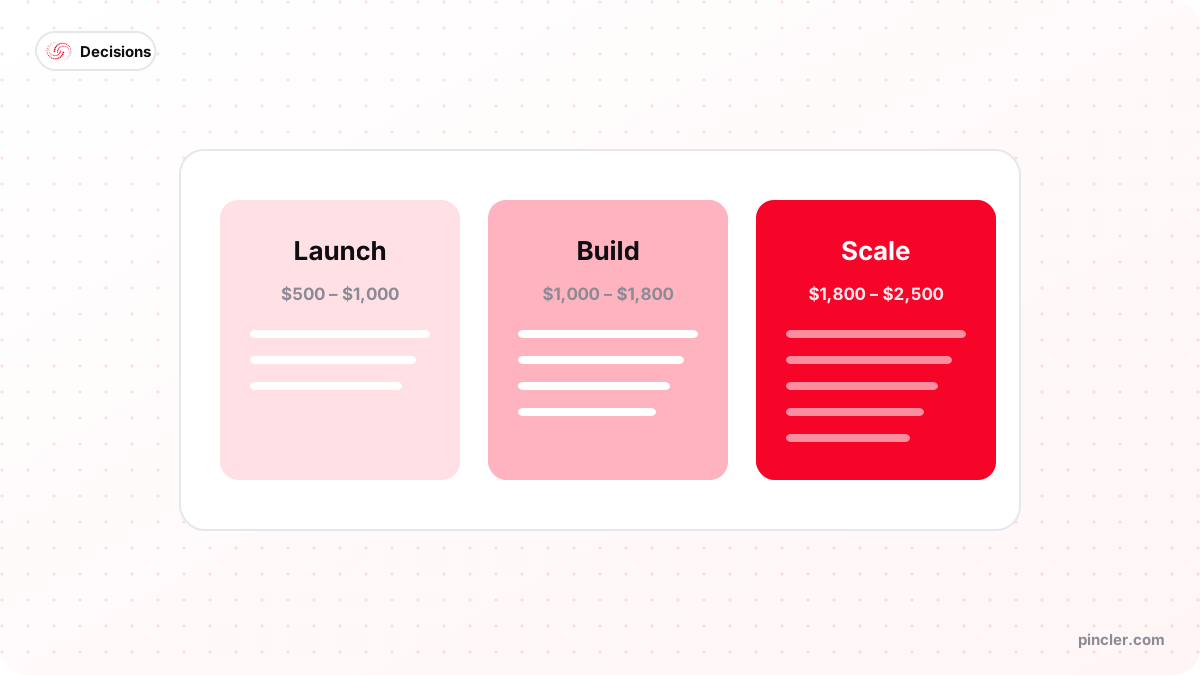
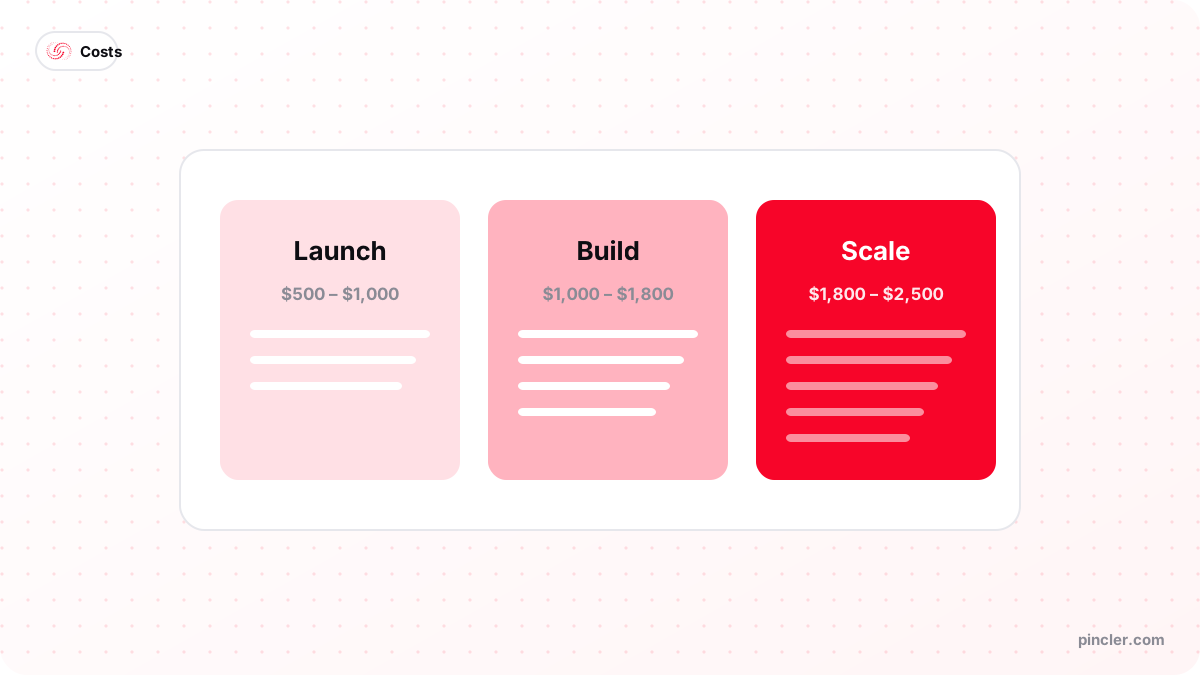
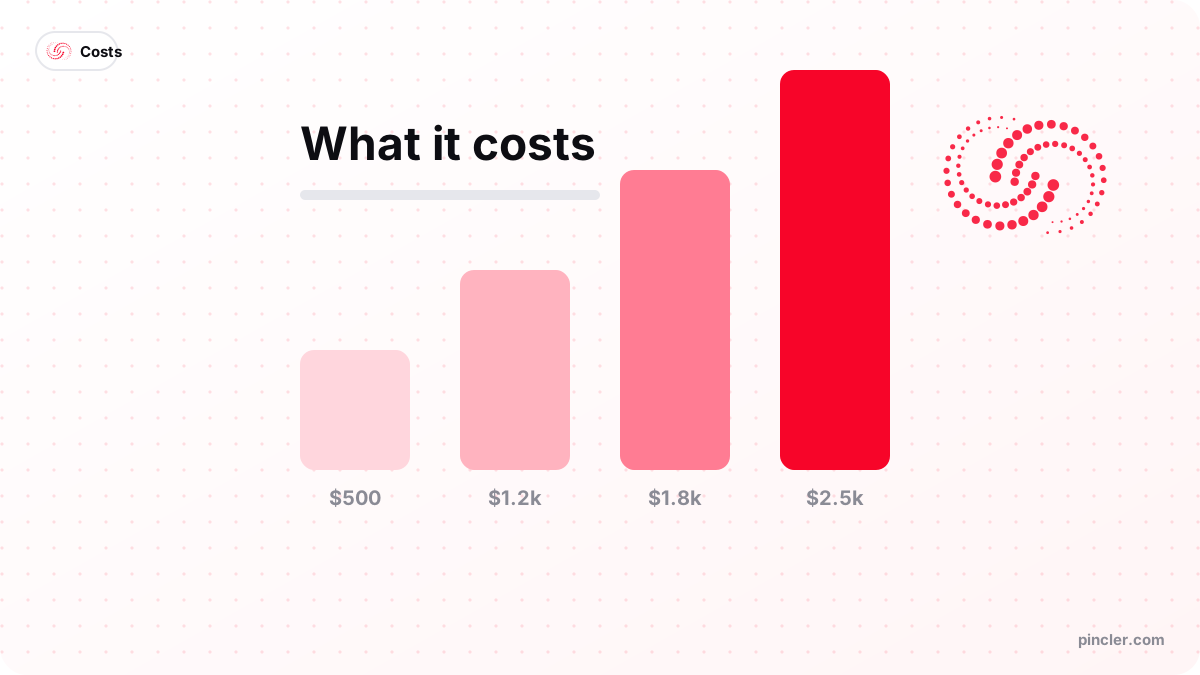
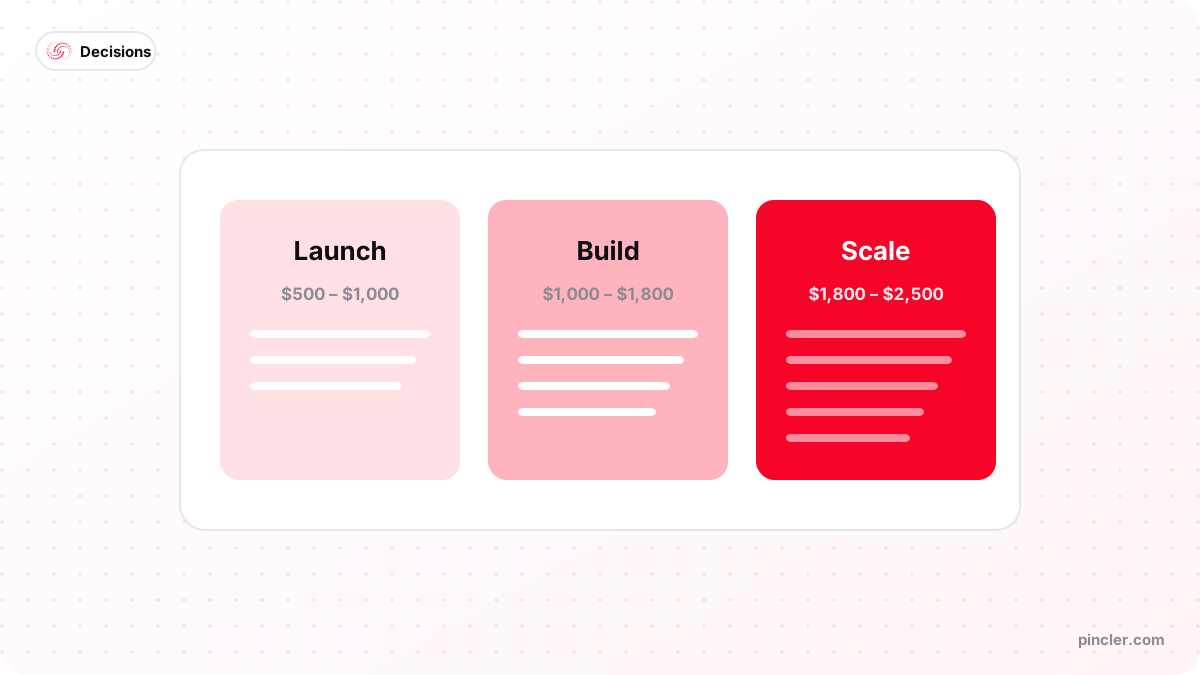
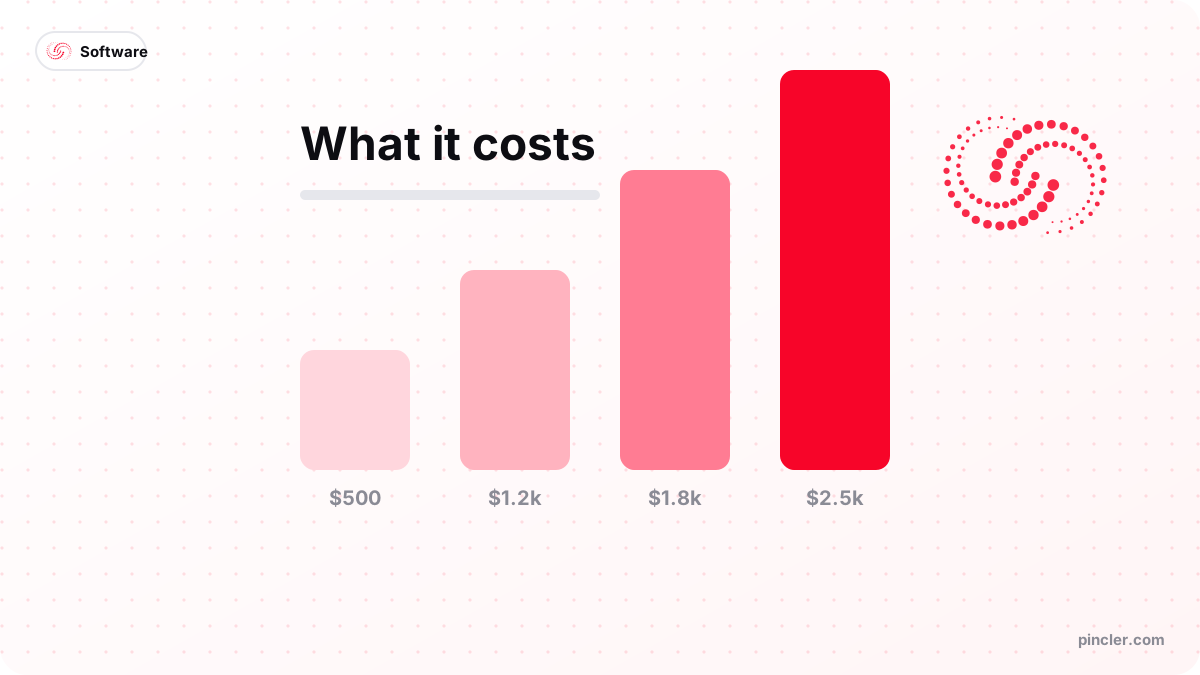
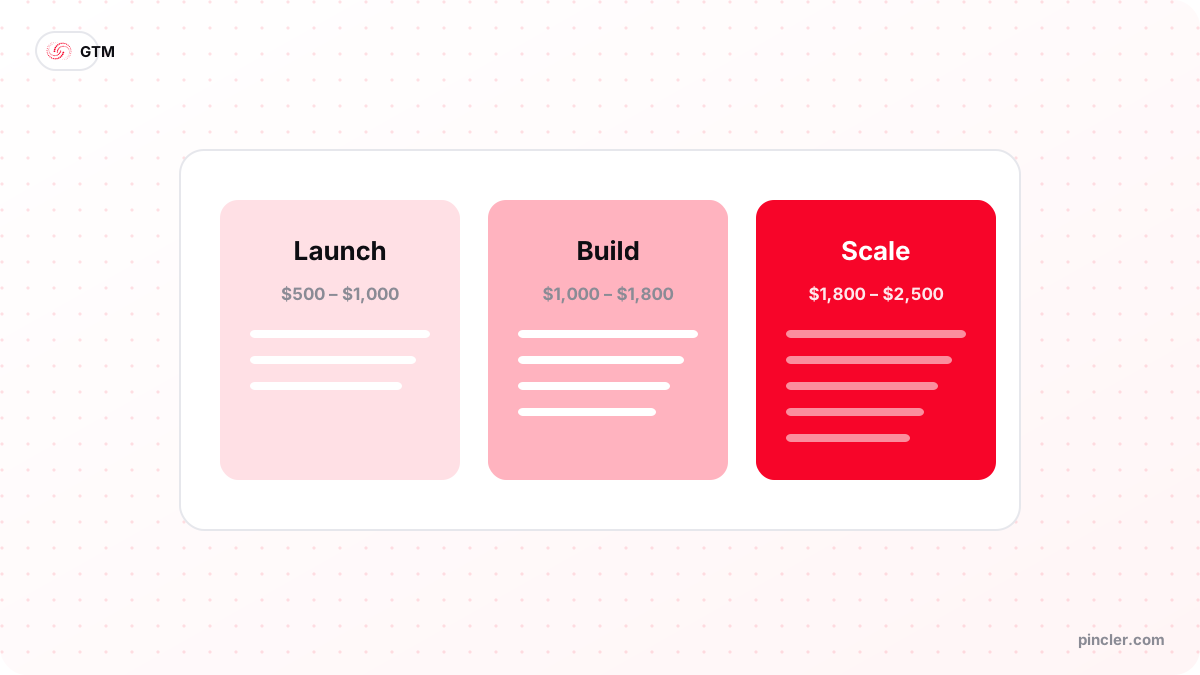
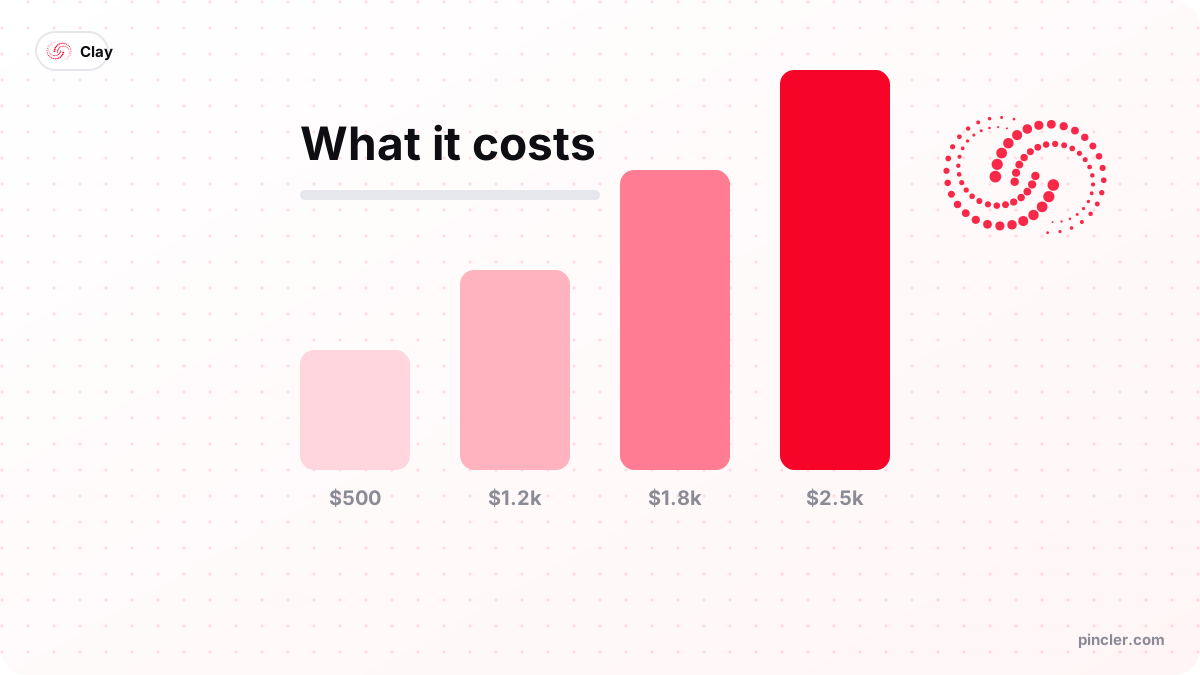
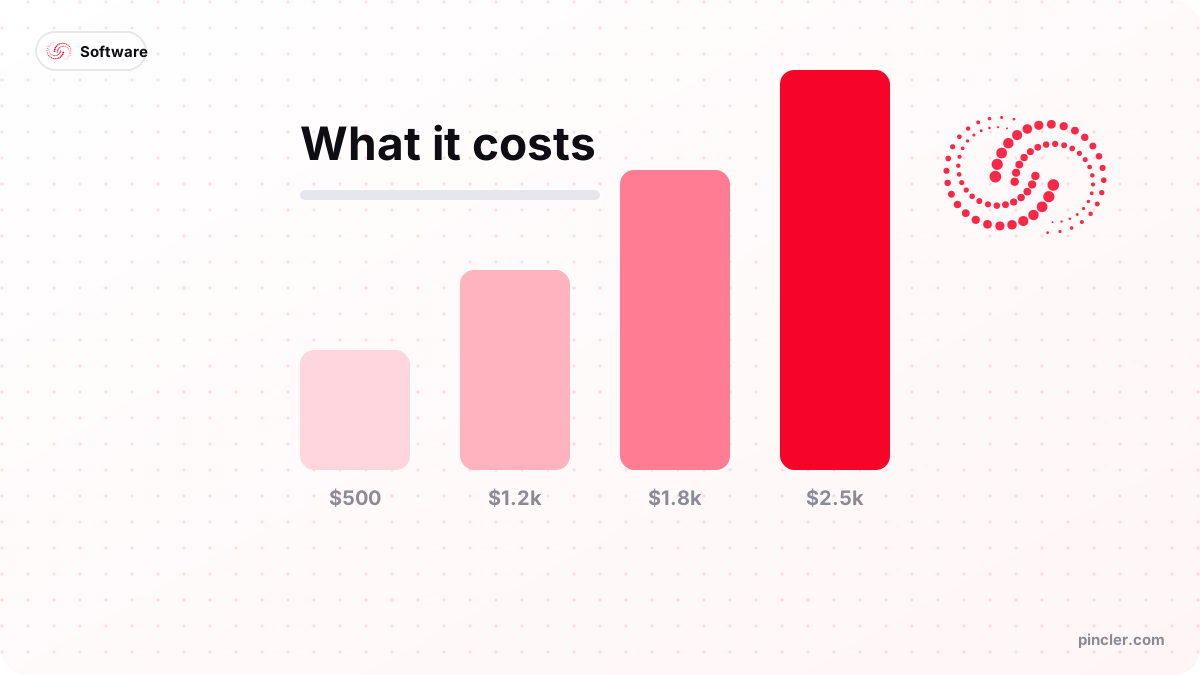
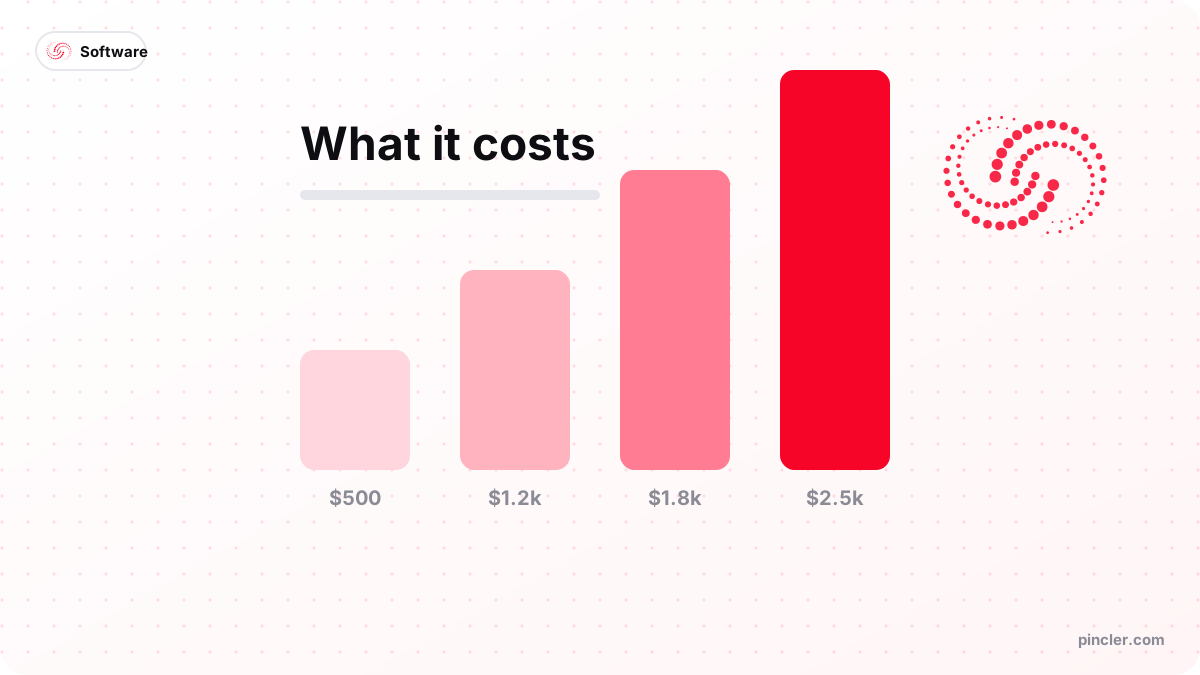
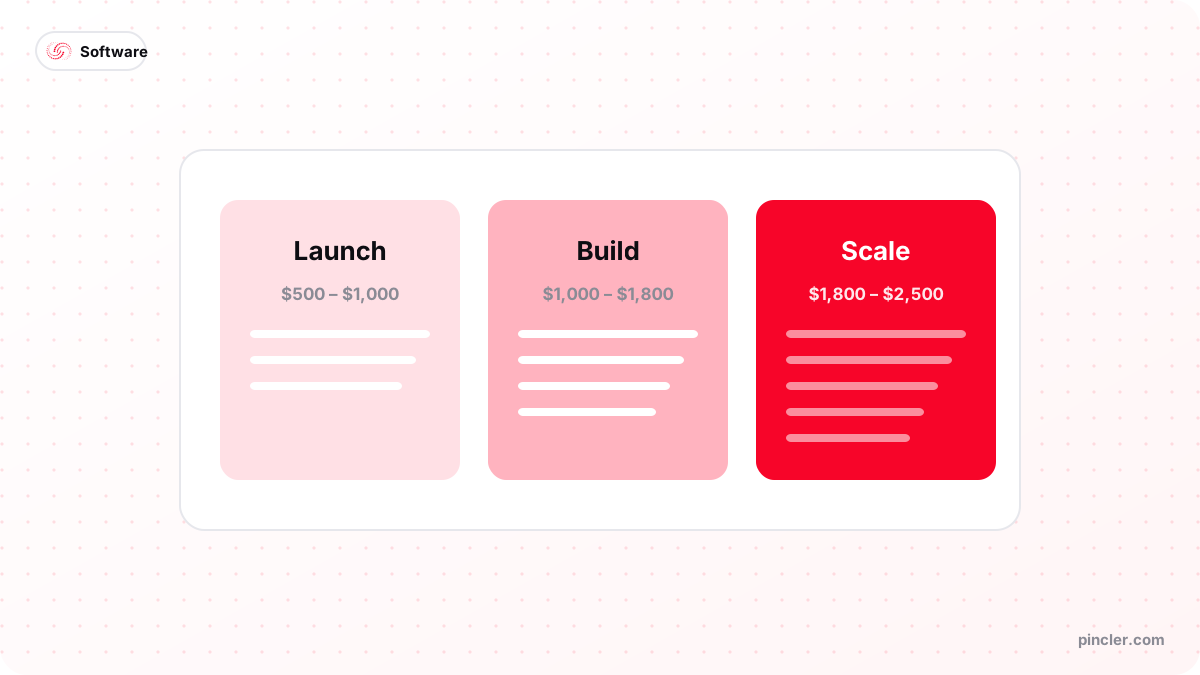
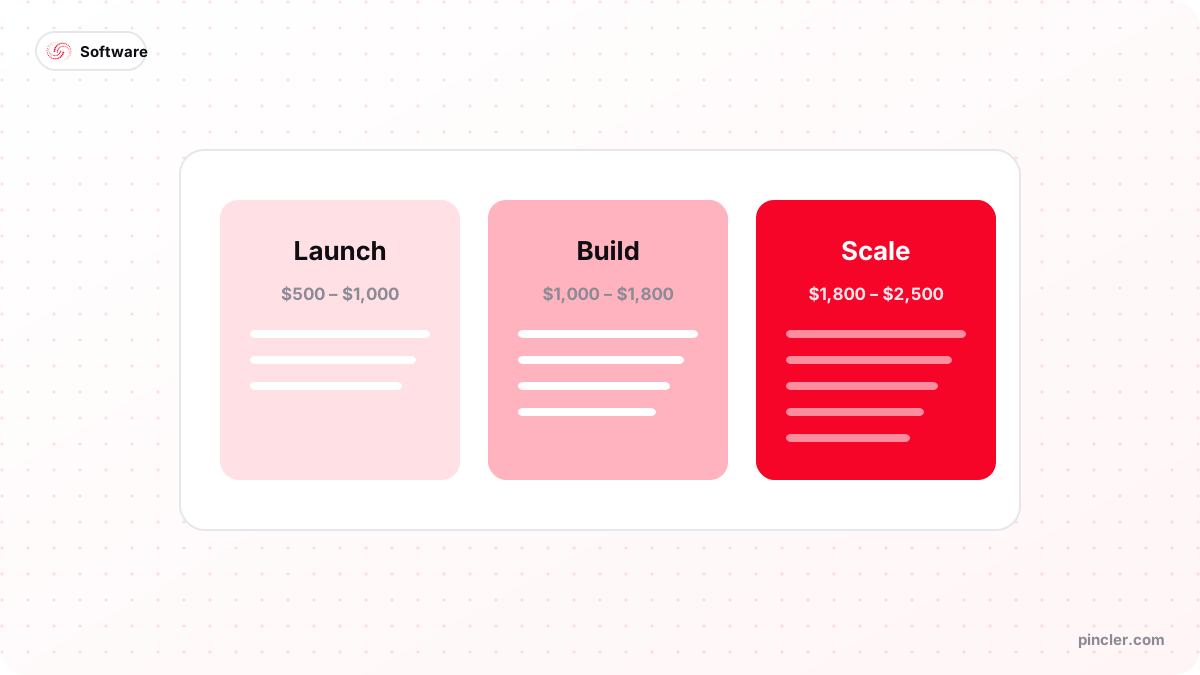
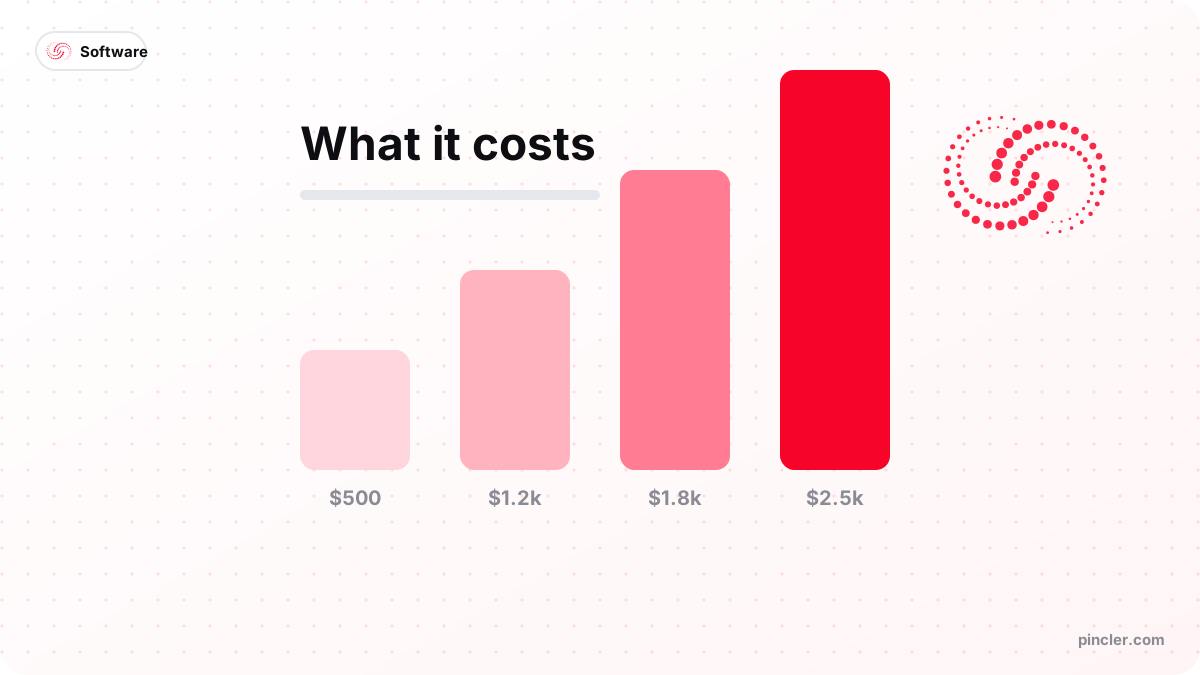
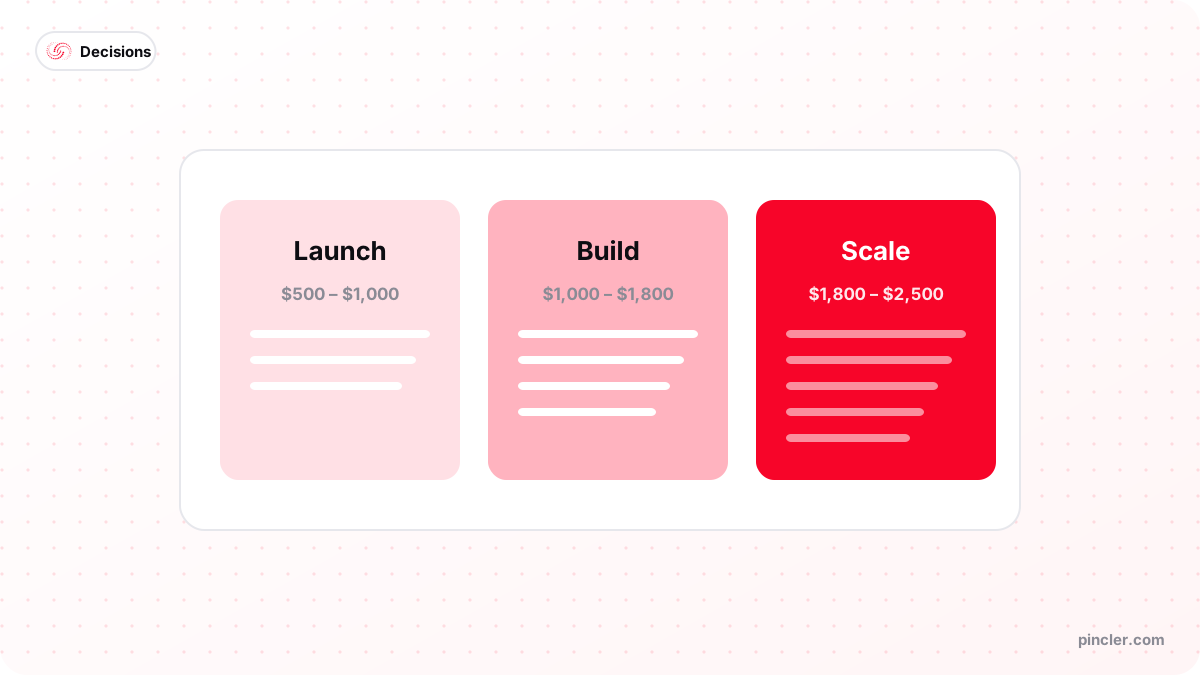
Fixed-price custom software: Fixed price: $500 – $2,500, never more — AI writes the first draft, senior engineers review and test it.
Dubai · Bangalorehello@pincler.com
124 articles
Straight answers on pricing, AI-assisted development and choosing a partner. Written by the engineers who do the work, with real numbers and no vendor waffle.
Showing 124 of 124 articles
Why is custom software so expensive at one supplier and not another? A transparent breakdown of agency cost structure, hour counts and the arithmetic behind a $2,500 build.
Is cheap custom software any good? The six failures that actually sink low-cost builds, the checks that separate method from corner-cutting, and how to run them on us.
AI-native development pricing explained: what actually changed in the unit economics of building software, where AI does not help, and why lower variance makes fixed prices possible.
What can you build for $2000? One complete workflow, live in about two weeks — AI-drafted, senior-reviewed — with the exact scope and what gets deferred to phase two.
The cheapest way to build a custom CRM, compared honestly: free tiers, spreadsheets, no-code, and an AI-drafted, senior-reviewed $1,200–$2,000 build. Which one you should pick.
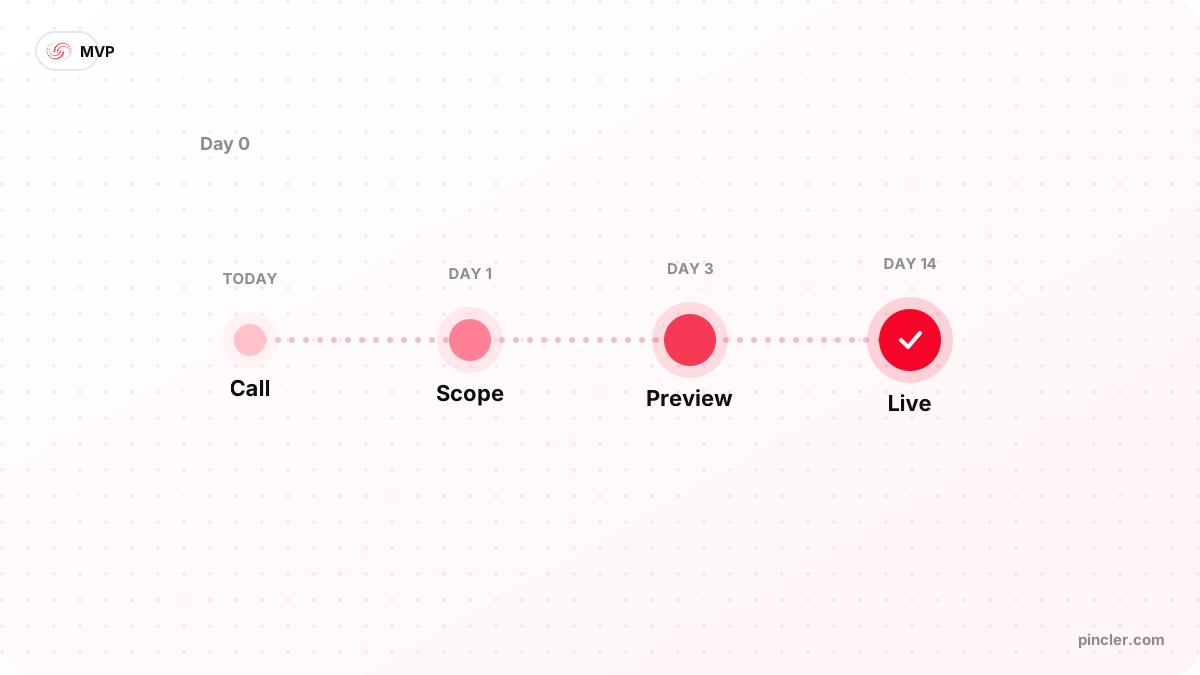
Internal tool development for a small business runs $800–$2,500 fixed price at PINCLER — AI-drafted, senior-reviewed — not the five-figure numbers agency guides quote. When Retool wins.
A booking app with WhatsApp notifications costs $900–$2,500 fixed price — AI-drafted, senior-reviewed — plus per-message Meta fees. How WhatsApp billing works and what to budget.
Telegram Mini App development cost: $500–$2,500 fixed price — AI-drafted, senior-reviewed — against agency guides of $10,000–$80,000. What that buys and what it does not.
GTM engineering lead generation explained: how sourcing, enrichment, personalisation and routing become one automated pipeline, with real fixed build costs.
GTM engineering vs traditional sales: what changes when prospecting runs on software, what stays human, and the honest arithmetic behind both models.
GTM engineering vs hiring SDRs: the full-cost arithmetic of another rep against a $1,200–$2,500 AI-drafted, senior-reviewed automation build, and when each wins.
How to build a GTM engine from scratch: seven steps from ICP definition to routing and reporting, with tool costs, timelines and the mistakes to avoid.
GTM engineering for startups: automate outbound before you hire for it. What to build at each stage, what it costs, and when founder time beats software.
GTM engineering for small teams: automations that give a 2–10 person revenue team the output of a much larger one, with AI-drafted, senior-reviewed fixed builds of $700–$2,500.
AI for go to market teams, explained with cited research: which GTM tasks automate well, which stay human, and what the working systems cost to build.
GTM engineering ROI with the arithmetic in the open: cost per meeting, hours saved and payback for a $1,200–$2,500 AI-drafted, senior-reviewed automation build.
The GTM engineering stack layer by layer: data, enrichment, execution, CRM and glue code — tools, monthly costs, and when custom beats off-the-shelf.
GTM engineering metrics that matter: the funnel from send to revenue, the system-health numbers underneath it, and honest benchmarks with named sources.
What a GTM engineering agency actually builds: the seven standard systems, fixed prices of $700–$2,500 held by AI drafting plus senior review, and how to judge a provider.
Clay for marketing and GTM teams, explained end to end: what Clay does, how waterfall enrichment works, what it costs, and the workflows worth building first.
How to use Clay for sales: a practical first-week setup — workspace, first table, waterfall enrichment, CRM push — plus credit costs and the mistakes to avoid.
How to use Clay for marketing: build ICP account lists, enrich and segment them, and feed personalised campaigns — a practical first-month plan for marketers.
Clay for CMOs: ten concrete ways marketing leaders cut data, agency and tooling costs with Clay — with the arithmetic shown and the honest limits stated.
Clay for go-to-market leaders: how CGOs use one enrichment layer to cut tool spend, raise reply rates and make pipeline arithmetic visible across the funnel.
Clay pricing in plain numbers: what each plan costs, how data credits and actions work, and a worked ROI model to tell whether Clay pays for itself.
Clay vs ZoomInfo compared honestly: data coverage, cost structure, workflow flexibility — and why many teams end up pairing them rather than choosing.
Clay vs Instantly is not a real either-or: Clay builds and enriches your list, Instantly sends the emails. What each does, what each costs, how they fit.
Clay vs hiring an SDR: the full-cost arithmetic of automation against headcount, what each is genuinely good at, and the hybrid most teams should run.
How to build a Clay lead enrichment workflow in seven steps: account sourcing, waterfall enrichment, email verification, scoring and CRM sync, with credit costs shown.
15 Clay workflows for growth teams, grouped into five families — list building, hygiene, personalisation, signals and routing — with build order, difficulty and cost notes.
How to build an MVP without coding: the three realistic routes for non-technical founders, what each costs, where no-code breaks, and how AI-assisted builds compare.
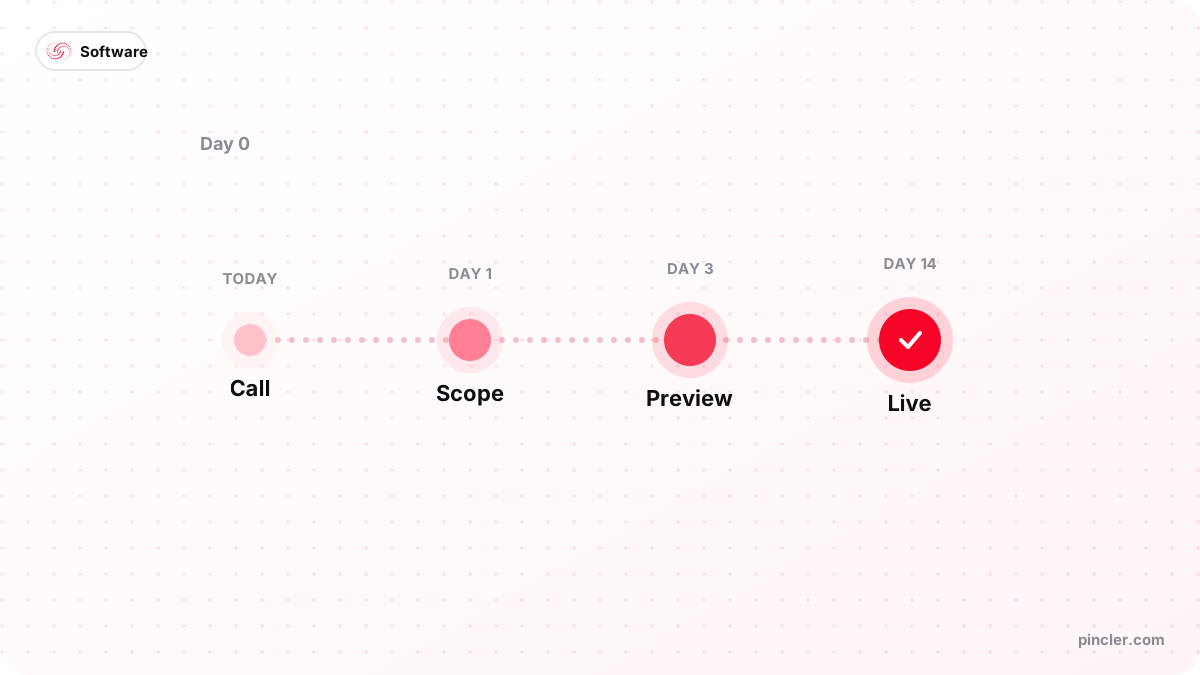
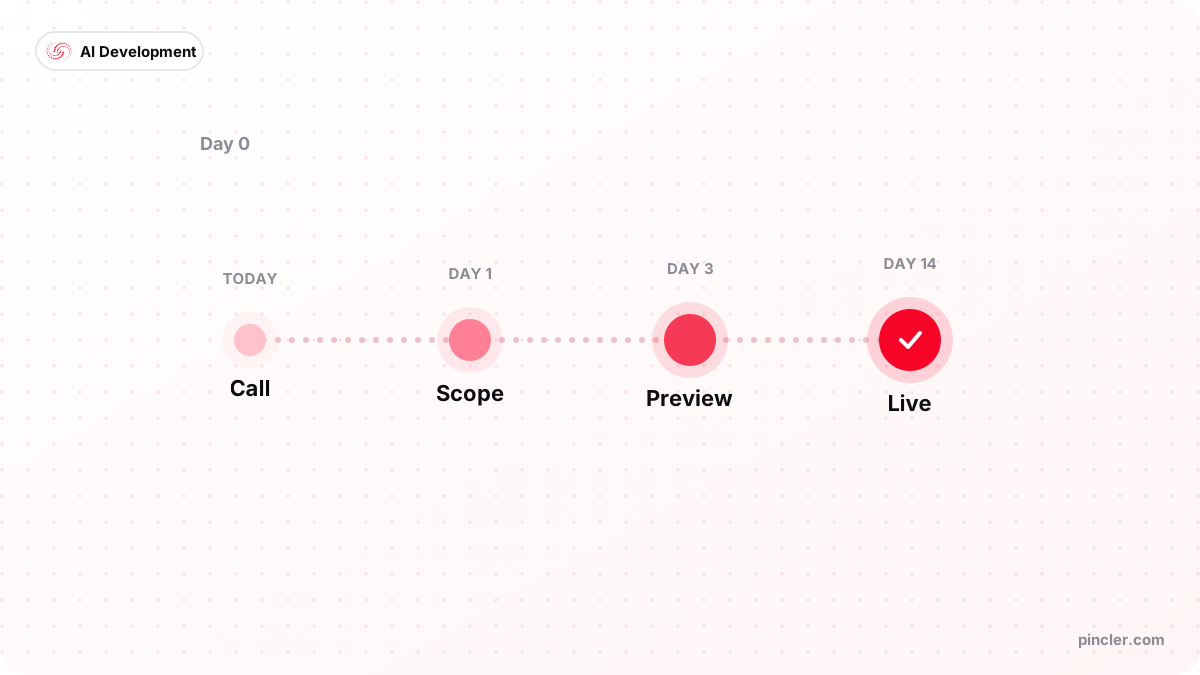
How to build an MVP fast: shrink the scope before growing the team. A day-by-day 14-day plan, the research on small-project success, and what AI-assisted delivery changes.
How to make an MVP profitable: charge from day one, keep the build small enough that a handful of customers covers it, and let retention decide what you add next.
How to validate an MVP before paying for a build: customer interviews, landing page tests and pre-sales — with real conversion benchmarks and a spending ladder.
How to build an MVP and pitch investors with it: which metrics to instrument from day one, what traction means at pre-seed, and how to demo without a live failure.
An investor-ready MVP includes a working product, instrumented metrics, retention evidence, clean code ownership and a phased roadmap — a checklist with thresholds.
How much should you spend on an MVP? Allocate rather than splurge: a budget split across validation, build, launch and iteration — grounded in real project data.
MVP vs prototype vs PoC: what each one proves, who each is for, what each costs, and a decision tree for which to build first — with real fixed-price numbers.
What to build in an MVP: one complete workflow, payments, analytics and little else. A build/defer/cut framework, with the feature research behind trimming scope.
How to build an online booking system: the six core components, a step-by-step build plan, realistic timelines, and when a SaaS scheduler is the smarter choice.
Online booking system vs booking software: when an off-the-shelf scheduler wins, when a custom build pays for itself, and the three-year arithmetic behind the choice.
Online booking system features that matter: real-time availability, reminders that cut no-shows, self-service rescheduling — and the features that can safely wait.
Multi service booking platform guide: architecture, availability across providers and resources, payments, costs and build steps — plus when a simpler system is enough.
Appointment booking app development explained: web app or native, the features version one needs, realistic fixed prices and timelines, and when not to build an app at all.
Appointment booking software cost in 2026: real subscription prices from vendor pages, custom appointment app builds, hidden fees, and the three-year arithmetic.
Appointment booking app features ranked: what customers need, what staff need, which notifications cut no-shows, and what to leave out of version one.
Appointment scheduling for small business, step by step: start free, spot the signals you have outgrown the tools, and what a custom setup costs when you are ready.
Calendly vs custom booking software: what scheduling links do brilliantly, where they stop fitting service businesses, and the honest three-year cost comparison.
How to create a restaurant QR menu step by step: build a mobile web menu, encode the link, print table cards and keep prices editable — with real costs and trade-offs.
Restaurant QR menu cost in 2026: free tools, $38–$119 subscriptions and $500–$900 AI-drafted, senior-reviewed custom builds compared, with three-year arithmetic.
QR menu vs ordering app: what each one does, honest costs, when a static digital menu is enough and when table ordering pays for itself — with a decision framework.
Build a restaurant QR ordering system: table codes, cart, payments and kitchen screen — architecture, a step-by-step plan, timelines and honest buy-vs-build advice.
Restaurant QR ordering system cost in full: $900–$2,000 AI-drafted, senior-reviewed custom builds vs monthly platforms, per-order fees, setup steps and three-year totals.
Delivery tracking system development explained: GPS driver app, live map, status timeline and notifications — architecture, build steps, running costs and honest advice.
Delivery tracking software cost in 2026: subscriptions from $150 to $3,099 a month vs an $1,800–$2,500 AI-drafted, senior-reviewed custom build, with three-year arithmetic.
A real time order tracking system shows customers live order status, courier location and an honest ETA. How it works — GPS, WebSockets, notifications — and how to build it.
Delivery management software vs custom build: per-driver subscription pricing against a one-off system you own — feature fit, integrations, three-year totals and a framework.
A delivery management system for a small business: orders, driver assignment, routes, proof of delivery and notifications — built for $500–$2,500, AI-drafted and senior-reviewed.
How to build a job board website: the data model, the features version one needs, the build order that works, and honest advice on when not to build one at all.
Job board development cost in real numbers: $1,500–$2,500 fixed price, AI-drafted and senior-reviewed, for a board with paid listings, search and applications — plus running costs.
How to monetise a job board: seven employer-side revenue models with real market price anchors, which one to launch with, and when a board should stay free.
Job board vs recruitment marketplace: how the models differ in product, revenue and build weight — and which one a founder should actually build first.
Recruitment portal development explained: the features employers and candidates actually need, the application pipeline, cost and timeline, and when to buy instead.
How to build a two-sided marketplace: the decisions that matter before code, the MVP feature set, payments and payouts, and how to survive the cold start.
Two sided marketplace development cost: $1,800–$2,500 fixed, AI-drafted and senior-reviewed, for a working MVP — what moves the price, plus no-code and agency comparisons.
The first 100 users on a marketplace come from hand-recruited supply, a deliberately small launch market and founder-led matching. The playbook, step by step.
How to monetise a two-sided marketplace: commission, subscriptions, listing fees and what real platforms charge — plus when to switch each model on.
Marketplace MVP vs full platform: what each includes, what each costs, and why the phased route wins for almost every founder — with the roadmap laid out.
How to build an inventory management system: data model, stock ledger, barcode scanning and reorder alerts — plus honest advice on when a spreadsheet is enough.
Inventory management software cost in 2026: real SaaS prices from free tiers to $999 a month, and when a $500–$2,500 AI-drafted, senior-reviewed custom build wins.
Choosing an inventory management system for small business: what it must do, the spreadsheet–SaaS–custom options compared, and when a fixed-price build makes sense.
Inventory management vs stock management explained: what each term covers, where they overlap, and which processes — reordering, valuation, tracking — belong to which.
Inventory tracking automation explained: barcode scanning, reorder points, low-stock alerts and sales-channel sync — what to automate, in what order, and how to start.
The business processes to automate first in a small company: lead follow-up, invoicing, support, scheduling, reporting and inventory — ranked by payback.
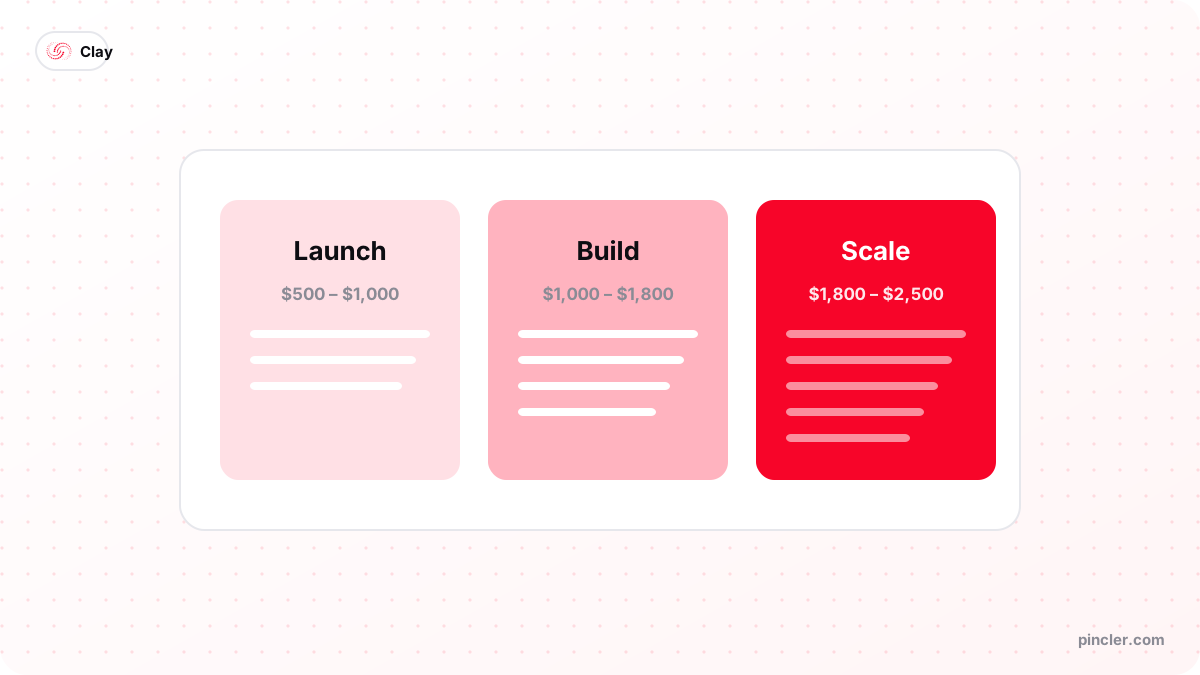
Custom software development cost in 2026: $500–$2,500 fixed price by project type, held there because AI drafts each build and senior engineers review, test and harden it.
SaaS MVP development cost: $1,800–$2,500 fixed buys auth, Stripe billing and a dashboard — AI drafts it, senior engineers review and test it. What to cut from version one.
AI agent development cost in 2026: $800–$2,500 fixed, because AI drafts the integration code and senior engineers review, test and harden it. What drives the number.
AI chatbot development cost in 2026: $500–$1,800 fixed, because AI drafts the build and senior engineers review and test it. What each budget buys, plus running costs.
WhatsApp chatbot cost in 2026: $900–$2,000 fixed for an AI business assistant — AI-drafted, senior-reviewed — plus Meta's per-message fees. The full breakdown.
MVP development cost in 2026 by build type: $500 landing-page tests to $2,500 SaaS and mobile MVPs, AI-drafted and senior-reviewed — and what belongs in version one.
Mobile app development cost in 2026: $1,500–$2,500 fixed for a cross-platform MVP on both stores, AI-drafted and senior-reviewed. Store fees and an honest tier table.
AI automation cost: workflows from $500, document pipelines to $2,200 — fixed, AI-drafted and senior-reviewed — plus honest running costs and the ROI maths to do first.
AI agent vs chatbot: a chatbot answers questions, an agent takes actions across your systems. Here is how to tell which one your business needs, and what each costs.
AI-first software development explained: how it differs from the traditional agency model, what changes in cost and speed, and where each approach genuinely wins.
n8n vs Zapier vs Make compared honestly: pricing models, self-hosting, complex logic and which automation platform fits your team — from a studio that builds on all three.
Clay vs Apollo compared: Apollo bundles contact data and sequencing in one tool, Clay adds enrichment waterfalls and flexibility. Which fits your outbound motion, and when to run both.
Freelancer vs agency software development vs an AI-assisted studio: honest cost ranges, risks and delivery speed for each — and how to pick the right one for your project.
Build vs buy software: a practical decision framework with three-year cost arithmetic, the questions to ask before building, and the hybrid option most teams overlook.
Custom software vs SaaS compared over three years: subscription arithmetic, the exit costs nobody prices in, and an honest look at when each option genuinely wins.
GTM engineering, explained in full: what a GTM engineer builds, how the engine fits together, what the tools cost, and whether to build, hire or outsource the capability.
Custom CRM development cost in 2026: $1,200 to $2,500 fixed, because AI drafts the build and senior engineers review it. What each budget buys, and when HubSpot wins.
Booking system development cost: $900 to $2,000 fixed, with AI drafting the build and senior engineers reviewing it. What moves the number, and when Calendly is enough.
Ecommerce website development cost in 2026: $600 to $2,500 fixed, AI-drafted and senior-reviewed. When Shopify beats custom, and the running costs left out of quotes.
Website development cost in 2026: $500 to $2,000 fixed by site type, AI-drafted and senior-reviewed. What genuinely moves the number, and when a site builder is enough.
Software maintenance cost for a small custom app: realistic monthly numbers for hosting, monitoring and fixes, and how to keep the total under $50 a month.
The hidden costs in software development contracts: where quotes quietly grow after signing, the clauses that cause it, and the questions that surface each one early.
Why software development quotes vary by 10x or more on the same brief: the six real cost drivers behind the spread, and how to compare quotes fairly.
Fixed price vs hourly software development billing: who carries the risk in each model, where hourly still wins, and how to keep a fixed quote honest.
What is RAG AI? A plain-English guide for business owners: how retrieval-augmented generation lets a chatbot answer from your own documents, what it costs, and when you need it.
Is AI generated code safe for production? Yes — with senior review, tests and scanning. Here is what actually goes wrong and the process that catches it before launch.
Cursor vs GitHub Copilot vs Claude Code, compared by a team that uses all three daily: what each tool actually is, where each wins, and which fits your kind of work.
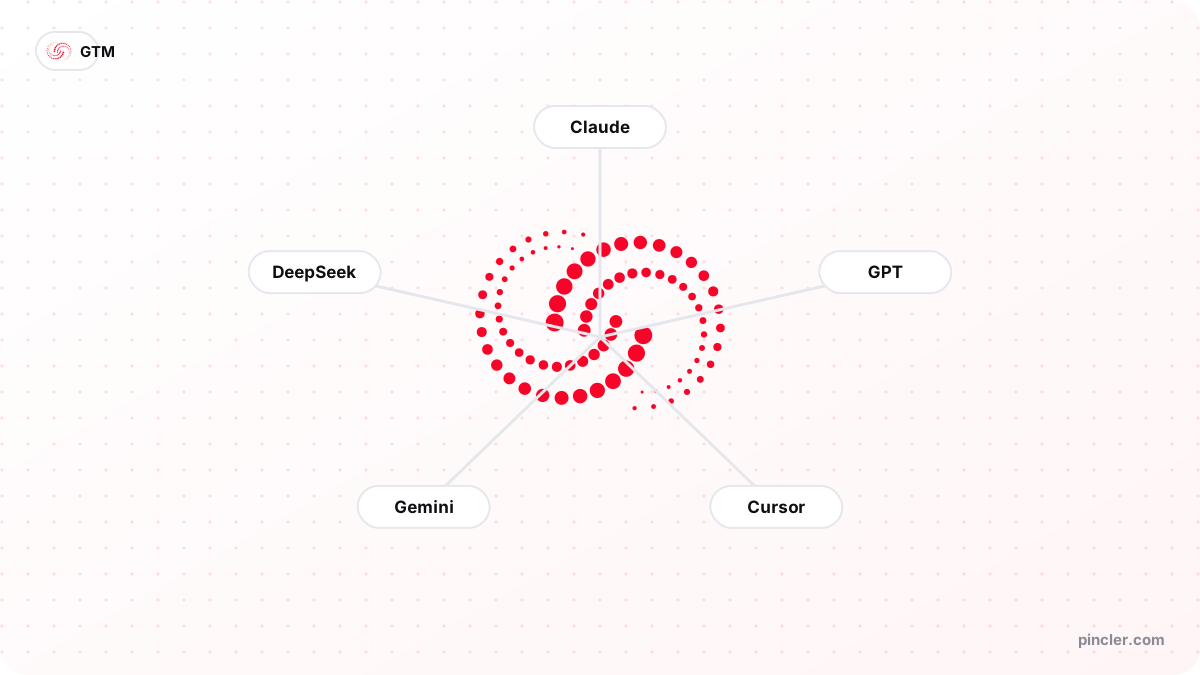
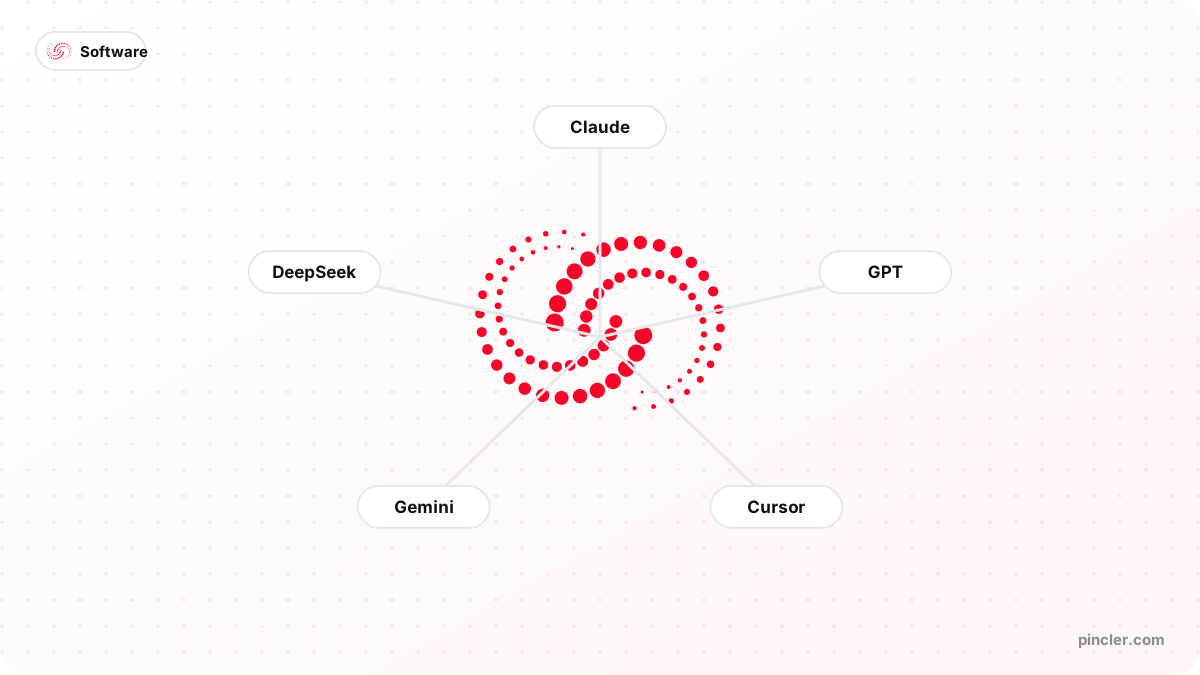
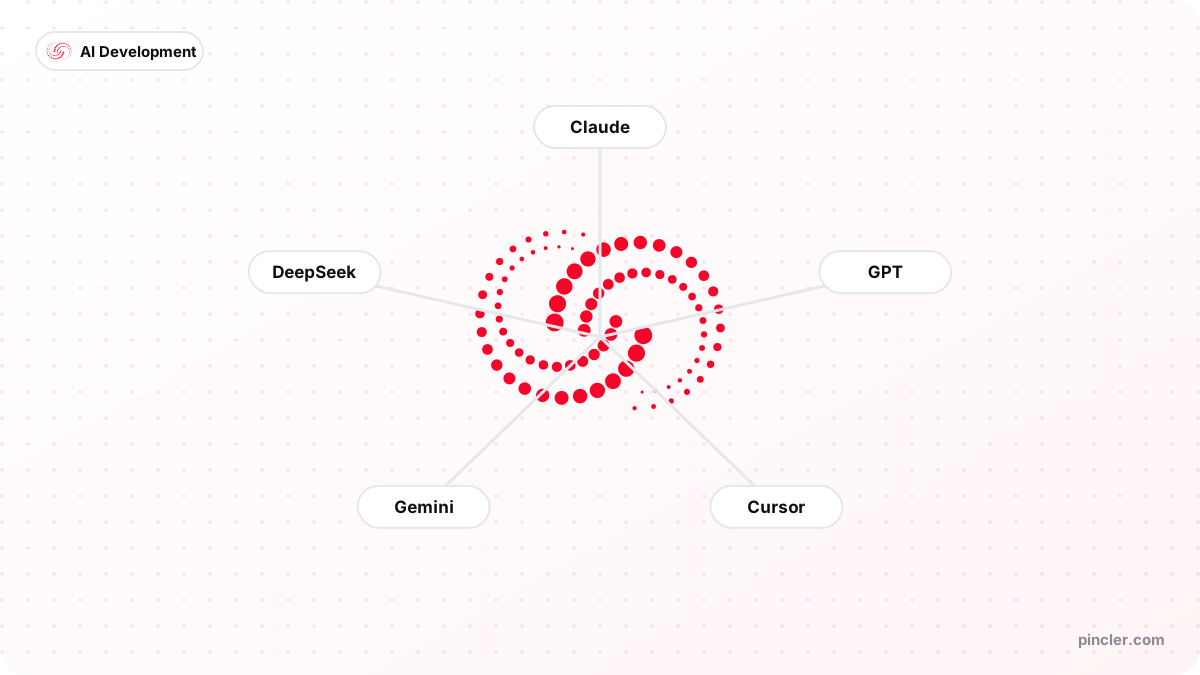
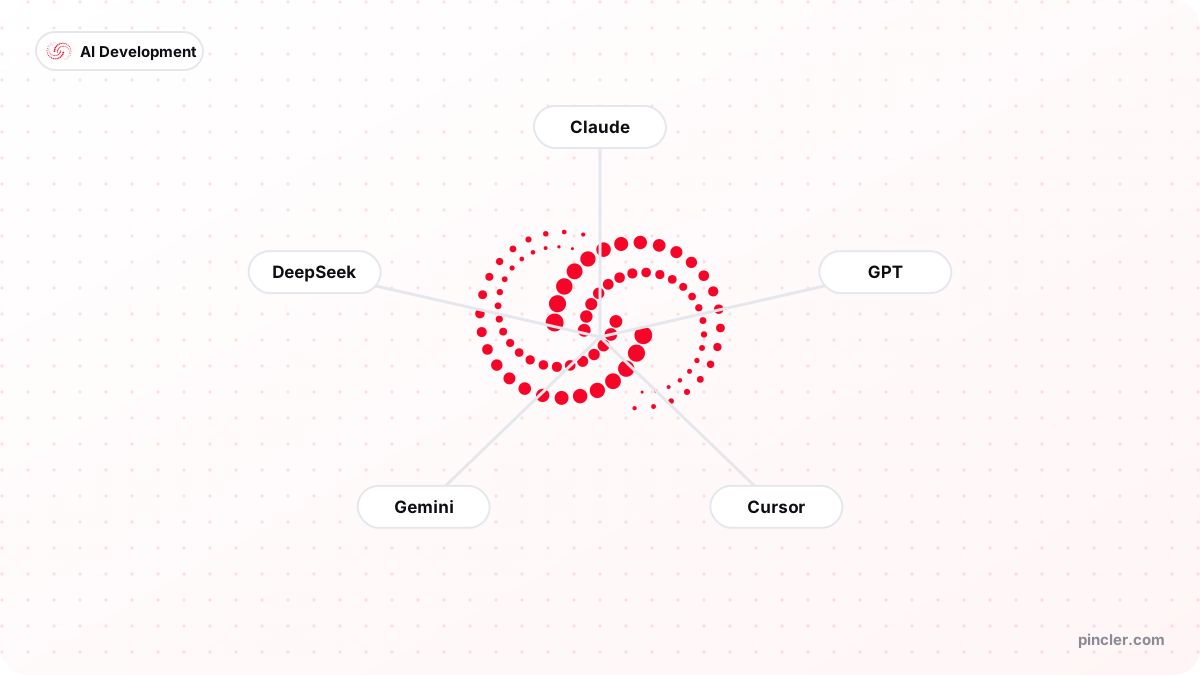
Claude vs GPT for coding, with Gemini in the mix: how a studio that uses all three daily splits real development work between them — and why one model is rarely enough.
How long to build an MVP with AI? Real timelines from a studio shipping in 3–30 days: what each stage takes, what AI compresses, and what still refuses to hurry.
The ai code review process that matters: eight things a human reviewer still has to check in AI-written code, from authorisation logic to silent data loss, as a workable checklist.
Will AI replace developers? Not the ones doing judgement work. What actually changed: team sizes, software prices, and which skills still earn their keep.
The AI development stack we ship with in 2026: which models and tools write the code, where humans stay in the loop, and what we would tell you to copy.
Vibe coding is brilliant for prototypes and dangerous for production. Where the line between vibe coding and engineering sits, and how to use both without getting burned.
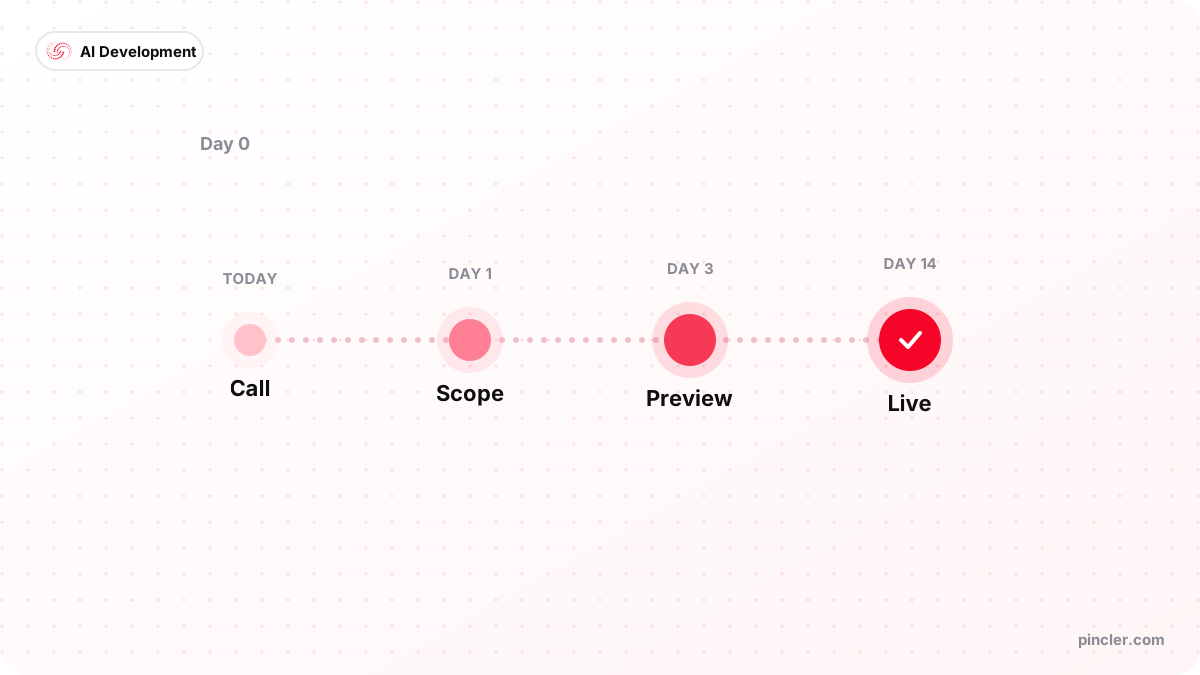
Rapid software development with AI, day by day: how a production build ships in 3–30 days, what makes it fast, what never gets skipped, and when speed is the wrong promise.
How to brief a development team that builds with AI: the one-page structure that gets an accurate fixed quote, the details that matter most, and the mistakes that cost weeks.
DeepSeek for developers: where a cost-efficient open-weight model genuinely cuts your AI bill, where a frontier model still earns its price, and how to route between them.
Cheap software development company or genuinely affordable partner? The signals that separate a low price from a low-quality build, and the checks to run before you sign.
Software development on a startup budget: what $500, $1,500 and $2,500 buy when AI drafts the build and senior engineers review it — plus the running costs founders forget.
How to scope a software project to fit a small budget: pick one workflow, cut features by risk, phase the rest — a practical method with a worked example.
MVP vs full product: when a lean first version wins, the rare cases where building the full thing first is right, and the cost of guessing wrong.
No code vs custom development compared on real three-year cost: where Zapier, Airtable and Bubble win, where they stall, and the point where custom code pays off.
When to replace spreadsheets with a web app: the six failure signs, what a move costs ($800–$2,000, AI-drafted and senior-reviewed), and when staying on Excel is right.
Custom software ROI for a small business: a simple payback formula, a worked example with honest numbers, and when the right answer is not to build at all.
How to write software requirements a developer can use: a copyable one-page skeleton, workflow-first thinking, acceptance criteria, and the mistakes that inflate quotes.
How to choose a software development partner: a printable 12-point checklist covering proof of shipped work, pricing, code ownership and the red flags that end the call.
Ten software development contract questions to ask before you sign: payment triggers, IP assignment, warranty and exit terms, plus the exact clauses to search for by name.
A realistic software project timeline, stage by stage: what discovery, build, testing and launch actually take, what stretches each one, and where AI compresses the middle.
Who owns software code you paid for? Code ownership explained: the default rules, the contract clauses that decide it, and a checklist to prove you own what you bought.
How to test software before launch: a printable checklist covering money paths, broken data, access control, devices and rollback — most launch-day failures are avoidable.
How to launch a SaaS MVP step by step: cut scope to one core workflow, ship auth and billing in weeks, charge from day one, and let 30 days of real usage set the roadmap.
Browse by topic
How revenue teams replace manual prospecting with engineered systems — outbound engines, enrichment, intent signals, routing and the metrics that prove it works.
12 articlesPractical Clay guidance for marketing, sales and RevOps: workflows, enrichment waterfalls, cost control, and how Clay compares with the rest of the stack.
12 articlesFor founders: how to build fast, validate before spending, make an MVP profitable, and walk into investor meetings with something working.
10 articlesProblem-first guides to the systems businesses actually commission: booking, ordering, delivery tracking, job boards, marketplaces and inventory.
37 articlesWhat software actually costs to build in 2026, broken down by project type, with the exact price bands we quote and what moves them.
19 articlesHow AI coding tools changed the economics of building software, which automation stack to build on, and where human engineers still decide the outcome.
15 articlesBuild or buy, freelancer or studio, custom or SaaS — the purchase decisions that determine whether a small budget produces working software.
12 articlesRequirements, contracts, timelines, testing and launches — the practical steps that decide whether a software project succeeds, whoever builds it.
7 articlesFree 30-minute discovery call with a senior engineer. Because AI writes the first draft and senior engineers review, test and harden it, we can quote a fixed $500 – $2,500 for one core workflow with standard integrations — tests, source code and handover included.